










Top 10 Strategies for Effective Social Media Ads
Introduction Social media advertising has evolved from a novelty into a core pillar of modern marketing. With billions of active users across platforms like Facebook, Instagram, LinkedIn, TikTok, and X, the potential to reach targeted audiences has never been greater. Yet, as ad saturation increases, consumers have become increasingly skeptical. They scroll past generic promotions, ignore overly s

Introduction
Social media advertising has evolved from a novelty into a core pillar of modern marketing. With billions of active users across platforms like Facebook, Instagram, LinkedIn, TikTok, and X, the potential to reach targeted audiences has never been greater. Yet, as ad saturation increases, consumers have become increasingly skeptical. They scroll past generic promotions, ignore overly salesy messages, and block intrusive content. In this environment, the most successful advertisers arent the ones spending the mosttheyre the ones building trust.
Trust is no longer a nice-to-have in social media advertising. Its the foundation of every high-performing campaign. Consumers today prioritize authenticity, transparency, and value over flashy visuals or exaggerated claims. Ads that resonate are those that feel human, address real pain points, and deliver on promises. This article reveals the top 10 proven, trustworthy strategies for creating social media ads that convertnot just because theyre well-designed, but because theyre genuinely credible.
These strategies are not theoretical. Theyre drawn from industry-leading case studies, platform performance data, and consumer behavior research. Whether youre a small business owner, a marketing manager, or a startup founder, these tactics will help you cut through the noise, earn attention, and drive measurable outcomes without resorting to manipulative tactics.
Why Trust Matters
In a digital landscape flooded with ads, trust is the ultimate differentiator. According to a 2023 Edelman Trust Barometer, 81% of consumers say trust is a deciding factor in their purchasing decisions. On social media, where users are bombarded with 3050 ads per day on average, trust becomes the filter that determines which messages get noticedand which are ignored.
Platforms themselves are pushing for trust. Meta, TikTok, and Google have updated their algorithms to prioritize content from accounts with high engagement, authentic interactions, and low complaint rates. Ads that trigger negative feedbacksuch as Hide Ad, Report, or Not Interestedare penalized in reach. This means that even the most creative ad can fail if it lacks credibility.
Trust also impacts long-term brand equity. A single misleading ad can erode years of brand building. Conversely, consistent, honest advertising fosters loyalty. Customers who trust your ads are more likely to engage with your content, follow your profile, share your posts, and become repeat buyers. They become advocates, not just consumers.
Building trust doesnt require massive budgets. It requires intentionality. It means being transparent about what your product does (and doesnt do), showing real people using your service, acknowledging limitations, and responding to feedbackeven negative feedbackwith humility. The most effective social media ads dont shout the loudest; they speak the most clearly and honestly.
In the following sections, well break down the 10 strategies that have consistently proven to build trust while driving conversions. Each one is grounded in real-world results and aligned with how modern audiences think, feel, and act.
Top 10 Strategies for Effective Social Media Ads
1. Showcase Real Customer Testimonials with Video
Nothing builds credibility faster than seeing someone like you benefit from your product. Video testimonials are the most trusted form of social proof in social media advertising. Unlike written reviews, video captures tone, emotion, and authenticityelements that algorithms and audiences alike respond to.
When creating video testimonials, prioritize real customers over actors. Use unscripted or lightly guided interviews. Let them speak in their own words about the problem they faced, how they discovered your solution, and the tangible results they achieved. Include their name, location, and job title (with permission) to add legitimacy.
Platforms like Instagram and TikTok favor native-style video. Avoid overly polished corporate footage. Instead, shoot on smartphones with natural lighting. Add subtitles for silent scrolling. Keep videos under 30 seconds for maximum retention. Studies show that ads featuring real customer stories see up to 3x higher click-through rates than those using stock imagery or voiceovers.
Pro Tip: Use UGC (user-generated content) campaigns to crowdsource testimonials. Ask customers to post their experiences using a branded hashtag, then repurpose the best clips into paid ads. This not only saves production costs but also signals that your brand is community-driven.
2. Be Transparent About Pricing and Limitations
Hidden fees, bait-and-switch pricing, and exaggerated claims are the fastest ways to lose trust. Modern consumers appreciate honestyeven if it means admitting your product isnt perfect for everyone.
In your ad copy, clearly state the price upfront. If there are tiers, mention them. If shipping costs apply, say so. If your product requires a specific use case to work effectively, explain it. For example, a skincare brand might say: Our serum works best for dry, mature skin. If you have oily or acne-prone skin, try our oil-free formula instead.
This level of transparency reduces returns, lowers complaint rates, and increases conversion quality. Users who click through know exactly what to expect. Theyre more likely to become loyal customers because they feel respected, not manipulated.
Platforms reward this behavior. Metas ad quality score improves when ads avoid misleading language. TikToks algorithm favors creators who are upfront about sponsorships and product limitations. Trustworthy ads are more likely to be shown to wider audiences because they generate positive engagement, not backlash.
Pro Tip: Use a Whats Included checklist in your ad creative. Visual elements like icons or bullet points help users quickly assess value and avoid confusion.
3. Use Micro-Influencers with Authentic Audiences
While celebrity endorsements still have value, theyre increasingly ineffective for building trust. Audiences now respond more to relatable voices. Micro-influencersthose with 1,000 to 100,000 followershave higher engagement rates, deeper connections with their audience, and more credibility than macro-influencers.
When partnering with micro-influencers, prioritize alignment over reach. Choose creators whose values, content style, and audience demographics match your brand. Avoid influencers who promote too many products in a single week. Authenticity fades when a creator appears to be selling everything.
Let influencers create the content in their own voice. Dont script their posts. Instead, provide key talking points: the problem your product solves, how they discovered it, and why they continue to use it. Authentic storytelling performs better than polished sales pitches.
According to Influencer Marketing Hub, micro-influencer campaigns generate 60% higher engagement than those using celebrities. They also cost 510x less per acquisition. Combine these ads with retargeting to capture users who engage with the influencers content but dont convert immediately.
Pro Tip: Track performance by UTM parameters and unique discount codes assigned to each influencer. This helps you measure ROI and identify your most trustworthy partners.
4. Highlight Social Proof Through Numbers and Stats
People dont just want to hear that others like your productthey want to know how many others have tried it and what the results were. Quantifiable social proof adds concrete credibility to your message.
Include stats like: Over 50,000 customers have improved their sleep with our pillow, or 92% of users reported reduced stress after 14 days. These numbers should be verifiable and sourced from real datacustomer surveys, usage analytics, or third-party studies.
Place these stats prominently in your ad creative. Use bold typography, contrasting colors, or animated counters to draw attention. Avoid vague claims like millions love us. Instead, say: 12,347 busy parents saved 3 hours per week using our meal planner. Specificity builds trust.
Platforms like LinkedIn and Facebook allow you to include detailed statistics in carousel ads. Use this feature to break down results by demographic: 87% of teachers said our tool reduced grading time, or 94% of freelancers increased income within 30 days.
Pro Tip: Pair stats with a short testimonial. For example: 12,347 users saved time. Heres how Maria, a single mom, got 5 extra hours a week. This blends emotional appeal with data-driven proof.
5. Create Educational Content That Solves Problems
People dont buy productsthey buy solutions to problems. The most effective social media ads dont sell; they teach. Educational content positions your brand as a helpful authority, not a pushy vendor.
Develop short-form videos, carousels, or static posts that answer common questions in your niche. For example: 3 Mistakes People Make When Choosing a Coffee Grinder, or How to Clean Your Yoga Mat Without Damaging the Material.
At the end of the educational piece, naturally introduce your product as the logical next stepnot the hero, but the tool that makes the solution easier. For instance: If you want consistent grind size without the hassle, our burr grinder has a built-in timer.
This approach reduces ad resistance. Users feel like theyre gaining value, not being sold to. According to HubSpot, educational content generates 3x more leads than promotional content.
Pro Tip: Use Problem-Agitate-Solve framing: Tired of [problem]? Most people [agitate with consequence]. Heres how to fix it [your solution]. This structure is proven to increase engagement and retention.
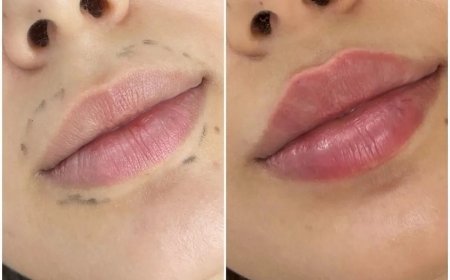
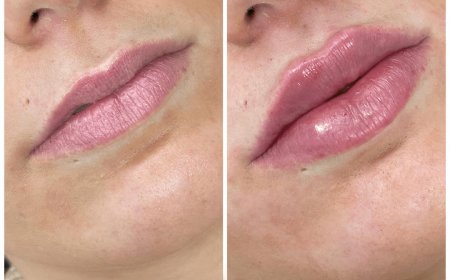
6. Use Before-and-After Visuals with Real Results
Visual transformation is one of the most powerful triggers in advertising. Before-and-after imagerywhen authenticcreates an emotional narrative that resonates deeply.
However, fake or heavily edited images destroy trust. Avoid using stock photos or AI-generated transformations. Instead, use real customer photos taken at the same angle, lighting, and time of day. Include the date and context: Before: June 2023 | After: August 2023 | Used daily for 8 weeks.
This strategy works exceptionally well in fitness, skincare, home improvement, and productivity niches. On Instagram and Pinterest, carousel ads with 35 before-and-after slides consistently outperform single-image ads.
Always disclose if results vary. For example: Results may vary based on usage and individual factors. This transparency protects your brand legally and ethically.
Pro Tip: Include a short video clip of the transformation process. Even a 5-second timelapse adds authenticity and increases dwell time.
7. Offer a No-Risk Trial or Guarantee
Trust is built when risk is removed. A strong guarantee signals confidence in your product and reduces the psychological barrier to purchase.
Use clear, bold language: Try it for 30 days. If you dont love it, well refund every pennyno questions asked. Avoid fine print. Dont bury conditions in small text. Make the guarantee visible in the ad creative and on the landing page.
Guarantees work because they shift the burden of proof from the customer to the brand. Instead of asking, Will this work for me? the customer thinks, Whats stopping me from trying?
Platforms like Facebook and Instagram allow you to highlight guarantees in ad copy with emojis or icons (e.g., ? 30-Day Money-Back Guarantee). This visual cue increases trust and click-through rates by up to 40%.
Pro Tip: Combine your guarantee with a free sample, mini-course, or downloadable guide. This lowers the entry barrier even further and builds goodwill before the sale.
8. Be Consistent in Brand Voice and Visual Identity
Inconsistency breeds confusionand confusion kills trust. If your ads look and sound completely different from your website, Instagram feed, or email newsletters, users will question whether theyre interacting with the same brand.
Establish a clear brand style guide: color palette, typography, tone of voice, and imagery style. Stick to it across all platforms and ad formats. A consistent aesthetic signals professionalism and reliability.
For example, if your brand voice is calm and reassuring, dont suddenly switch to aggressive, clickbait language in ads. If your website uses minimalist photography, avoid chaotic, cluttered ad creatives.
Consistency also extends to messaging. If you promise eco-friendly packaging in your Instagram bio, your ads must reflect that. If you say youre for busy professionals, your visuals should show real people juggling work and lifenot staged models in luxury settings.
Research from Nielsen shows that brands with consistent visual identity across channels see a 1020% increase in brand recognition and a 15% boost in purchase intent.
Pro Tip: Use templates for your ad creatives to maintain uniformity. Tools like Canva or Adobe Express allow you to save brand kits with your fonts, colors, and logo placements.
9. Engage Authentically with Comments and DMs
An ad isnt a one-way broadcast. Its the beginning of a conversation. Brands that ignore comments or delete negative feedback appear detachedand untrustworthy.
Respond to questions promptly and honestly. If someone asks, Does this work for sensitive skin? answer with specifics, not marketing jargon. If someone says, I tried it and it didnt work, thank them for their feedback and offer help. Public replies show other users that you care.
On platforms like TikTok and Instagram, replies to comments are often viewed more than the ad itself. A thoughtful response can turn a skeptic into a believer.
Never use automated replies. Avoid generic responses like Thanks for your feedback! Instead, personalize: Hi Sarah, were sorry this didnt work for you. Our formula is designed for dry skinwould you like a recommendation for our oil-free option?
Pro Tip: Assign a team member to monitor ad comments daily. Even 10 minutes of engagement per day can significantly improve your ads perceived trustworthiness.
10. Align Ads with Platform Culture and User Behavior
What works on LinkedIn wont work on TikTok. Each platform has its own culture, content norms, and audience expectations. Ignoring these differences leads to ads that feel out of placeand get ignored.
On TikTok: Embrace trends, humor, raw editing, and fast cuts. Use trending audio. Let creators speak directly to the camera. Avoid corporate jargon.
On Instagram: Prioritize aesthetics, storytelling, and aspirational yet relatable visuals. Use Reels for quick tips and Stories for behind-the-scenes content.
On LinkedIn: Focus on professional outcomes, data, and thought leadership. Use clean layouts, charts, and authoritative language.
On X (Twitter): Be concise, witty, and conversational. Use polls, threads, and real-time commentary.
Platform-specific alignment increases relevance, which boosts engagement and reduces ad fatigue. Users are more likely to trust ads that feel native to the platform theyre already comfortable with.
Pro Tip: Study the top 10 performing ads in your niche on each platform. Analyze their tone, pacing, and structure. Dont copy themlearn from them.
Comparison Table
| Strategy | Best For | Trust Factor | ROI Potential | Platform Best Suited |
|---|---|---|---|---|
| Real Customer Video Testimonials | E-commerce, SaaS, Health & Wellness | ????? | ????? | Instagram, TikTok, Facebook |
| Transparent Pricing & Limitations | All industries, especially subscription services | ????? | ????? | Facebook, LinkedIn, Google Display |
| Micro-Influencer Partnerships | Beauty, Fashion, Fitness, Niche Products | ????? | ????? | Instagram, TikTok, YouTube Shorts |
| Social Proof with Stats | B2B, SaaS, Financial Services | ????? | ????? | LinkedIn, Facebook, Twitter |
| Educational Content | All industries, especially complex products | ????? | ????? | YouTube, Instagram Reels, LinkedIn |
| Before-and-After Visuals | Fitness, Skincare, Home Improvement | ????? | ????? | Instagram, Pinterest, Facebook |
| No-Risk Trial or Guarantee | High-ticket items, subscriptions, software | ????? | ????? | All platforms |
| Consistent Brand Voice & Identity | All industries | ????? | ????? | All platforms |
| Authentic Comment Engagement | All industries | ????? | ????? | Instagram, TikTok, Facebook |
| Platform-Specific Alignment | All industries | ????? | ????? | TikTok, Instagram, LinkedIn, X |
FAQs
Can I use AI-generated images in my social media ads?
You can, but with caution. AI-generated images can be effective for abstract concepts or backgrounds, but they reduce trust when used to depict real people, products, or results. Always disclose if an image is AI-generated. For maximum credibility, use real photos of real customers or products.
How often should I update my social media ads?
Refresh your creatives every 24 weeks to avoid ad fatigue. Even if your ad is performing well, audiences will eventually tune out. Test new angles, visuals, and messaging regularly. Use A/B testing to determine which variations maintain or improve performance.
Is it better to run one high-budget ad or multiple smaller ones?
Multiple smaller, targeted ads typically outperform one high-budget ad. Splitting your budget across different audience segments, platforms, and messaging allows you to gather more data, refine your approach, and reduce risk. Focus on testing and optimizing rather than betting everything on one creative.
Whats the biggest mistake brands make with social media ads?
The biggest mistake is treating ads like billboards instead of conversations. Many brands focus solely on the ad creative and ignore the post-click experience, customer feedback, and brand consistency. Trust is built across the entire customer journeynot just in a 15-second video.
Do testimonials from strangers really work?
Yesif they feel real. Generic, overly polished testimonials dont. But authentic, slightly imperfect stories from people who resemble your target audience are incredibly persuasive. The more specific and relatable the testimonial, the higher the trust and conversion rate.
Should I run ads on multiple platforms at once?
Yes, but tailor each ad to the platform. Dont repurpose the same ad across all platforms. A TikTok ad should feel native to TikTok. A LinkedIn ad should feel professional. Cross-platform consistency is in tone and valuesnot in format.
How do I measure the trustworthiness of my ads?
Look beyond clicks and conversions. Track metrics like: comment sentiment, ad recall rate, time spent watching, and repeat engagement. Use surveys to ask viewers: Did you trust this ad? Why or why not? Low complaint rates and high shares are also strong indicators of trust.
Can small businesses compete with big brands on social media ads?
Absolutely. Big brands often rely on mass reach and polished production. Small businesses win by being more authentic, responsive, and niche-focused. Use micro-influencers, real customer stories, and hyper-local targeting to stand out. Trust, not budget, is your advantage.
Conclusion
The most effective social media ads arent the flashiest, the most expensive, or the most frequently seen. Theyre the ones that feel real, speak honestly, and respect the audiences intelligence. Trust isnt built through clever copy or trending sounds aloneits earned through consistency, transparency, and genuine connection.
The 10 strategies outlined in this guide are not shortcuts. Theyre long-term principles that, when applied with care, create sustainable growth. Whether youre using customer testimonials, educational content, or platform-specific formats, each tactic reinforces one core truth: people buy from brands they trust.
Start by selecting one strategy to implement this week. Maybe its adding a real customer video to your next ad. Or responding to every comment on your latest post. Or clearly stating your refund policy in the headline. Small, intentional actions compound over time.
As algorithms continue to evolve and consumer skepticism grows, the brands that thrive wont be the ones shouting the loudest. Theyll be the ones listening the mostand speaking with the most integrity.
Build trust first. The results will follow.