








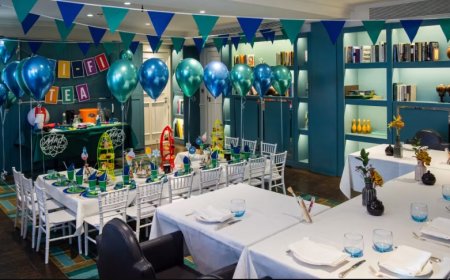



Top 10 Tips for Hosting Amazing Events
Introduction Hosting an event—whether it’s a corporate conference, a wedding, a product launch, or a community gathering—is more than just arranging chairs and catering. It’s about creating an experience that resonates, builds trust, and leaves a lasting impression. In a world saturated with distractions and fleeting engagements, guests today seek authenticity, reliability, and seamless execution.

Introduction
Hosting an eventwhether its a corporate conference, a wedding, a product launch, or a community gatheringis more than just arranging chairs and catering. Its about creating an experience that resonates, builds trust, and leaves a lasting impression. In a world saturated with distractions and fleeting engagements, guests today seek authenticity, reliability, and seamless execution. The most memorable events arent necessarily the most extravagant; theyre the ones where every detail feels intentional, every transition flows naturally, and every participant feels valued. This article reveals the top 10 proven tips for hosting amazing events you can truststrategies refined through years of successful planning, real-world feedback, and a deep understanding of human psychology. These arent generic checklists. Theyre principles that transform ordinary gatherings into extraordinary, trustworthy experiences.
Why Trust Matters
Trust is the invisible foundation of every successful event. Without it, no amount of glitter, gourmet food, or celebrity speakers can sustain attendee satisfaction. Trust is built when guests feel confident that the organizers have anticipated their needs, respected their time, and prioritized their comfort. Its the quiet assurance that the schedule wont collapse, the Wi-Fi will work, the food will be safe, and the staff will be attentive without being intrusive. Trust is earned through consistency, transparency, and competencenot through promises or marketing slogans. Events that lack trust leave attendees anxious, frustrated, or disengaged. They remember the glitches, not the grandeur. In contrast, events infused with trust create emotional loyalty. Guests return for future gatherings, refer others, and become advocates for the host or brand behind the experience. In corporate settings, trust elevates brand perception. At personal events like weddings or anniversaries, it transforms the occasion from a party into a cherished memory. Trust isnt optionalits the single most critical ingredient in event success.
Top 10 Tips for Hosting Amazing Events You Can Trust
1. Define a Clear Purpose and Audience
Before booking a venue or sending invites, ask: Why are we hosting this event? Who are we serving? A vague purpose leads to a scattered experience. Whether your goal is to educate, celebrate, network, or launch, the clarity of your intent shapes every decisionfrom the tone of invitations to the choice of entertainment. Equally important is understanding your audience. Are they industry professionals seeking insights? Families looking for fun? Young adults craving connection? Tailor every element to their expectations. A tech startups product launch requires a sleek, fast-paced format with interactive demos. A retirement party demands warmth, nostalgia, and space for personal stories. When purpose and audience align, attendees feel seen. That recognition builds immediate trust. Document your purpose and audience profile in a one-page brief and refer to it throughout planning. If a decision doesnt serve the purpose or audience, eliminate it.
2. Plan with Contingencies, Not Just Optimism
Great event planners dont assume everything will go perfectlythey assume something will go wrong and prepare for it. Trust is built not by avoiding problems, but by handling them gracefully. Create a risk assessment checklist: What if the keynote speaker cancels? What if the projector fails? What if it rains outdoors? For each scenario, define a backup. Have a secondary speaker on standby. Carry a portable projector and extra cables. Secure a tent or indoor alternative. Communicate these plans internally, but dont broadcast them to gueststrust is maintained by calm competence, not panic. Include buffer time in your schedule for transitions. A 15-minute gap between sessions isnt wasted time; its insurance against delays. When issues arise, your teams preparedness becomes invisible magic to attendees. They dont notice the solutionthey only notice that everything still works. Thats the essence of trust: seamless resilience.
3. Choose a Venue That Reflects Your Purpose
The venue is more than a locationits the first impression and the silent ambassador of your event. A mismatched venue undermines trust before the first guest walks in. Hosting a luxury product launch in a fluorescent-lit community center sends the wrong message. Holding a quiet memorial service in a noisy nightclub is disrespectful. Choose a space that enhances, not distracts. Consider acoustics, lighting, accessibility, parking, and flow. Does the layout encourage mingling or focus? Is there adequate space for movement and comfort? Does the ambiance match the emotional tone you want to create? Visit the venue at the same time of day as your event. Check for external noise, lighting conditions, and staff responsiveness. Ask about hidden fees, cancellation policies, and technical support. A venue that feels aligned with your events soul makes guests feel the organizers care about details. That attention to environment builds deep, subconscious trust.
4. Communicate with Clarity and Consistency
Confusion is the enemy of trust. Guests need to know what to expect, when, and where. Create a clear communication plan that begins weeks before the event and continues through follow-up. Use a single, consistent channelemail, a dedicated event website, or a mobile appto deliver updates. Avoid fragmented messaging across social media, texts, and flyers. Include essential details: start and end times, dress code, parking instructions, agenda highlights, and contact information for on-site help. Send reminders at key intervals: 7 days, 48 hours, and 2 hours before the event. For complex events, provide a digital itinerary with clickable links to maps or speaker bios. Avoid jargon, vague phrases like soon or later, or last-minute changes without explanation. If a change is unavoidable, communicate it immediately with context: Due to high demand, weve moved the keynote to the Grand Hall to accommodate more guests. Your seat has been reserved. Transparency in communication reassures guests theyre in capable hands.
5. Prioritize Guest Comfort and Accessibility
Trust is deeply tied to physical and emotional comfort. If guests are hot, cold, hungry, or unable to move freely, their focus shifts from your message to their discomfort. Design your event with accessibility in mind from the start. Ensure wheelchair access, sign language interpreters if needed, quiet zones for sensory-sensitive attendees, and gender-neutral restrooms. Offer diverse food options: vegetarian, vegan, gluten-free, nut-free. Label all dishes clearly. Provide ample seating, shaded areas, and water stations. Consider temperature controloverly warm rooms induce drowsiness; overly cold ones create distraction. Offer charging stations for devices. Provide clear signage for restrooms, exits, and key areas. When guests dont have to struggle, they relax. And when they relax, they engage. Comfort isnt a luxuryits a non-negotiable pillar of trust. An event where everyone feels physically cared for is an event people will remember fondly.
6. Train and Empower Your Team
Your teamwhether volunteers, staff, or contractorsis the human face of your event. Untrained or disengaged personnel can ruin even the most meticulously planned gathering. Invest time in pre-event training. Brief everyone on the schedule, their roles, emergency procedures, and the events core values. Teach them to greet guests warmly, answer questions confidently, and know where to find help if they dont have an answer. Empower them to solve minor issues on the spot: offering a spare badge, directing someone to a water station, or providing an extra chair. Avoid micromanagementtrust your team to make small decisions. A staff member who can resolve a problem without escalating it creates a ripple effect of calm. Dress code matters too: uniforms or coordinated attire signal professionalism. When guests see a unified, confident team, they assume the entire event is well-managed. That perception is trust in action.
7. Curate Meaningful Content and Experiences
People dont attend events just to be presentthey want to gain something: knowledge, connection, inspiration, or joy. Generic entertainment or monotonous speeches fail to engage. Curate content that aligns with your purpose and audience. For corporate events, feature real case studies, not sales pitches. For cultural festivals, highlight authentic performances and local artisans. For educational seminars, include interactive Q&A or breakout discussions. Avoid filler. Every minute should add value. Use storytelling to humanize data. Invite diverse voices. Allow space for spontaneitylive polls, open mic moments, or surprise guest appearances can create viral moments of connection. When attendees feel theyve gained something meaningful, they perceive the event as worthwhile. That perception transforms satisfaction into loyalty. Trust grows when guests feel their time and attention were honored with substance, not spectacle.
8. Leverage Technology Thoughtfully
Technology enhances events when it serves peoplenot the other way around. Use event apps for schedules, maps, and networking. Implement digital check-ins to reduce lines. Use live polling tools to engage audiences in real time. Stream sessions for remote participants. But avoid over-reliance. If your app crashes, your Wi-Fi fails, or your QR codes dont scan, guests should still be able to navigate the event. Always have analog backups: printed agendas, physical signage, printed name tags. Test all tech in advance with real devices and networks. Ensure staff can troubleshoot basic issues. Never let technology become a barrier. A seamless digital experience builds trust through efficiency. A broken one creates frustration and doubt. The goal isnt to impress with gadgetsits to remove friction. When technology works quietly in the background, guests focus on the experience, not the interface.
9. Collect and Act on Real-Time Feedback
Waiting until after the event to learn what workedor didntis too late. Embed feedback loops during the event. Use simple digital surveys accessible via QR codes on tables or screens. Place suggestion boxes at exits. Train staff to listen actively and note recurring comments. Are guests asking for more seating? Do they want longer breaks? Are they confused about the next session? Address issues immediately if possible: add chairs, extend a break, clarify the schedule. Even small adjustments signal that youre listening. After the event, send a concise thank-you message with a link to a short survey. Ask specific questions: What was the most valuable part of today? What would you change? Analyze responses for patternsnot outliers. Share insights with your team. Implement changes for future events. When guests see their feedback leads to action, they feel heard. That validation deepens trust and turns attendees into repeat participants.
10. Follow Up with Authentic Gratitude
The event doesnt end when the last guest leaves. The final touchyour follow-upis where trust becomes loyalty. Within 24 to 48 hours, send a personalized thank-you message. Reference something specific: Thank you for your thoughtful question during the panel, or We loved seeing you connect with Sarah over shared interests. Attach a photo from the event, a recording of the keynote, or a summary of key takeaways. Avoid generic mass emails. Use segmentation: thank speakers differently than attendees. Share a short video montage or a curated gallery. If you collected feedback, share how its being used: Based on your suggestions, next years event will include more breakout sessions. This closes the loop. It shows you value their participation beyond the event day. Follow-up isnt a formalityits the foundation of long-term relationships. Guests who feel genuinely appreciated are more likely to return, recommend others, and support future initiatives. Trust isnt built in a dayits cultivated through consistent, thoughtful gestures over time.
Comparison Table
The table below contrasts common event practices with trusted, high-performing approaches. Each row highlights a critical area where small shifts in strategy lead to significantly higher attendee trust and satisfaction.
| Area | Common Practice | Trusted Practice |
|---|---|---|
| Purpose & Audience | Generic theme applied to all events; no audience research | Clear, documented purpose tailored to specific attendee needs and expectations |
| Contingency Planning | Hope for the best; no backup plans | Comprehensive risk checklist with tested alternatives for key failures |
| Venue Selection | Booked based on price or availability | Selected for alignment with event tone, accessibility, and guest comfort |
| Communication | Fragmented messages via multiple channels; last-minute changes | Single, consistent channel with clear, timely updates and transparent explanations |
| Guest Comfort | Minimal seating, one food option, no accessibility considerations | Diverse food choices, ample seating, full accessibility, temperature control, and quiet zones |
| Team Training | Staff given minimal briefing; no empowerment to solve issues | Comprehensive training with authority to resolve minor problems independently |
| Content Delivery | Long lectures, generic presentations, no interaction | Story-driven, interactive, audience-focused content with real value |
| Technology Use | Over-reliance on apps and digital tools without backups | Technology used to reduce frictionwith analog backups always available |
| Feedback Collection | Only post-event surveys; no real-time adjustments | Real-time feedback loops with visible action taken during the event |
| Follow-Up | Generic thank-you email with no personalization or next steps | Personalized messages, shared insights, and clear next steps based on feedback |
FAQs
Whats the most important factor in building trust at an event?
The most important factor is consistency in execution. Guests trust events where promises are kept, details are handled, and staff are reliable. Its not about one grand gestureits about the accumulation of small, flawless actions that signal competence and care.
How far in advance should I start planning an event?
For small events (under 50 guests), begin planning 68 weeks ahead. For medium events (50200 guests), plan 34 months in advance. For large or complex events (200+ guests, multiple vendors, international speakers), start 612 months ahead. Early planning allows time for contingencies, vendor coordination, and communication cycles.
Should I hire professional event planners?
Professional planners bring experience, vendor networks, and crisis management skills that reduce stress and increase reliability. For high-stakes or complex events, their expertise is invaluable. For smaller events, a well-trained internal team with a detailed plan can be equally effective.
How do I handle a last-minute speaker cancellation?
Have a backup speaker pre-vetted and briefed. If none is available, pivot to a moderated Q&A, panel discussion with attendees, or a pre-recorded video. Communicate the change honestly and positively: Were thrilled to offer an extended interactive session with you all instead. Adaptability, not perfection, builds trust.
Is it better to have a theme or keep the event flexible?
A theme provides cohesion and helps guide design, messaging, and experience. But it shouldnt restrict authenticity. Choose a theme that enhances the purposenot one that forces unnatural elements. Flexibility within the theme allows for organic moments of connection. The best events are structured, not rigid.
How do I measure the success of my event beyond attendance numbers?
Success is measured by engagement, sentiment, and retention. Track survey responses, social media mentions, repeat attendance, referrals, and post-event actions (e.g., downloads, sign-ups, follow-up meetings). A 100-person event with 90% positive feedback and 70% return intent is more successful than a 500-person event with low engagement.
Can I build trust with a low-budget event?
Absolutely. Trust is built through thoughtfulness, not spending. A simple gathering with clear communication, genuine hospitality, and personal touches can outperform an expensive but impersonal event. Focus on what matters: comfort, clarity, and care.
Whats the biggest mistake people make when hosting events?
The biggest mistake is assuming the event is about the host. The most successful events are designed around the guests needs, emotions, and expectations. When organizers prioritize their own vision over attendee experience, trust erodeseven if the event looks impressive on the surface.
How do I make virtual or hybrid events feel trustworthy?
For virtual events, invest in high-quality audio and video, test platforms in advance, and assign a dedicated tech host. For hybrid, ensure remote participants have equal access to content, interaction, and networking. Use live polls, breakout rooms, and chat moderators. Avoid treating remote attendees as an afterthoughtthey must feel fully included.
Should I send gifts or swag to attendees?
Only if it adds value. A generic tote bag or pen rarely builds trust. Instead, offer something useful: a curated resource guide, a personalized thank-you note, or access to exclusive content. Thoughtfulness matters more than material value. A gift that reflects understanding of the guests interests creates lasting goodwill.
Conclusion
Hosting an amazing event isnt about grandeurits about grace. Its about anticipating needs before theyre voiced, solving problems before theyre noticed, and making every guest feel seen, safe, and valued. The top 10 tips outlined here arent tricks or hacks; theyre timeless principles rooted in human psychology and proven experience. Trust isnt manufactured with banners or branding. Its cultivated through consistency, empathy, and meticulous attention to detail. When you prioritize purpose over spectacle, comfort over convenience, and authenticity over perfection, you create more than an eventyou create an experience people remember, recommend, and return to. Whether youre organizing a corporate summit, a community festival, or a milestone celebration, these strategies will elevate your event from ordinary to unforgettable. The most trusted events dont shout. They whisperquietly, confidently, and with unwavering care. Thats the mark of true excellence.