







UTI Bloating: A Common But Overlooked Symptom
Bloating is often dismissed as a digestive issue, but it can also be a lesser-known symptom of a urinary tract infection (UTI). This article explores how UTIs cause bloating through inflammation, fluid retention, and abdominal pressure.


UTI Bloating: A Common But Overlooked Symptom
When most people think of a urinary tract infection (UTI), they picture the classic symptoms: burning during urination, frequent urges to go, and cloudy or foul-smelling urine. However, there is one symptom that often gets overlooked: bloating. This uncomfortable and sometimes confusing sensation in the abdomen can actually be a sign of a deeper issue within the urinary system. In this article, we'll explore how and why UTIs cause bloating, how to differentiate it from digestive issues, and what you can do to find reliefnaturally and effectively.
What Is UTI Bloating?
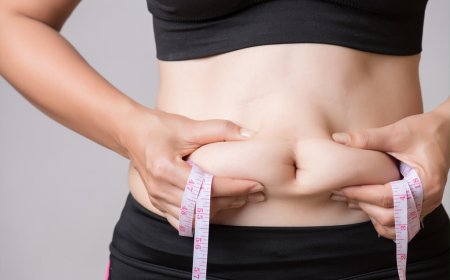
UTI bloating refers to a feeling of fullness, tightness, or swelling in the abdominal area that occurs as a result of a urinary tract infection. It may resemble the kind of bloating people experience after a large meal or during menstruation, but in the case of a UTI, the bloating originates from inflammation and irritation in the urinary tract.
The urinary system includes the kidneys, ureters, bladder, and urethra. When bacteriamost commonly E. colienter and multiply in this system, the body's immune response can cause swelling, pressure, and discomfort, leading to that bloated feeling.
Why Does a UTI Cause Bloating?
Bloating related to a UTI is typically caused by:
-
Inflammation: As the body fights off the infection, inflammation in the bladder or urinary tract can create pressure in the lower abdomen.
-
Fluid Retention: The infection can disrupt normal urination patterns, leading to retained fluids and a sense of abdominal heaviness.
-
Trapped Gas: Some UTIs are accompanied by mild gastrointestinal symptoms, including gas buildup.
-
Muscle Tension: Discomfort and pain may cause abdominal muscles to tense, contributing to the bloated sensation.
UTI Bloating vs. Digestive Bloating
It can be difficult to determine whether bloating is caused by a UTI or digestive issues such as IBS, gas, or constipation. Here's how to tell the difference:
| Symptom | UTI Bloating | Digestive Bloating |
|---|---|---|
| Location | Lower abdomen or pelvic area | May vary; often upper abdomen |
| Additional Symptoms | Burning urination, urgency, pelvic pain | Gas, burping, irregular bowel movements |
| Trigger | Bacterial infection in the urinary tract | Certain foods, stress, digestive disorders |
| Relief From | Treating the infection | Passing gas, bowel movements |
If you're unsure of the cause, it's always best to consult a healthcare provider.
Who Is Most Likely to Experience UTI Bloating?
While anyone can experience bloating with a UTI, certain groups are more prone:
-
Women: Due to their shorter urethra, women are more susceptible to UTIs and related bloating.
-
Pregnant women: Hormonal changes and pressure on the bladder increase the risk.
-
People with recurrent UTIs: Chronic infections can lead to more severe or prolonged symptoms, including bloating.
-
Elderly adults: Often present with atypical symptoms, including abdominal discomfort.
When to See a Doctor
Bloating caused by a UTI should not be ignored. See a healthcare provider if you experience:
-
Persistent lower abdominal bloating or pressure
-
Burning or painful urination
-
Blood in the urine
-
Fever or chills
-
Nausea or vomiting
These symptoms may indicate a more serious infection, such as a kidney infection (pyelonephritis), which requires prompt medical treatment.
Natural Remedies for UTI Bloating Relief
While antibiotics are often necessary to treat the underlying infection, several natural remedies can help ease bloating and discomfort:
-
Stay Hydrated: Drinking plenty of water helps flush bacteria from the urinary system and can reduce bloating.
-
Warm Compress: Applying a warm heating pad to the lower abdomen can ease pressure and soothe inflamed tissues.
-
Anti-inflammatory Foods: Include turmeric, ginger, and leafy greens in your diet to support your immune system and reduce swelling.
-
Probiotics: These "good" bacteria may help balance your gut and urinary tract flora, potentially reducing infection frequency and bloating.
-
D-Mannose: A natural sugar that may help prevent certain bacteria from sticking to the urinary tract walls.
-
Avoid Irritants: Stay away from caffeine, alcohol, and spicy foods, which can irritate the bladder and worsen bloating.
Always check with a healthcare professional before starting new supplements or therapies.
Preventing UTI-Related Bloating
Prevention is the best approach to avoid the discomfort of does uti cause bloating. Here are some tips:
-
Practice Good Hygiene: Wipe front to back, urinate after intercourse, and avoid harsh soaps near the genital area.
-
Stay Regular: Constipation can put pressure on the bladder and worsen UTI symptoms. Maintain a fiber-rich diet.
-
Wear Breathable Clothing: Tight or non-breathable underwear can trap moisture and bacteria.
-
Urinate Frequently: Dont hold it inregular urination helps flush bacteria from the urinary tract.
For more information on natural remedies, prevention tips, and non-prescription solutions, visit ZonderRecept.orgyour trusted resource for holistic health guidance.