







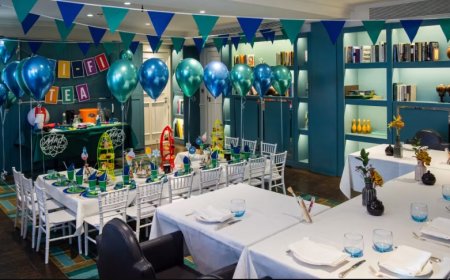



Top 10 Tips for Successful Event Planning
Introduction Event planning is both an art and a science. Whether you're organizing a corporate conference, a wedding, a product launch, or a community festival, the success of your event hinges on more than just decorations and schedules. It depends on precision, foresight, adaptability, and above all—trust. Trust in your process, trust in your team, and trust in the strategies you follow. In a w

Introduction
Event planning is both an art and a science. Whether you're organizing a corporate conference, a wedding, a product launch, or a community festival, the success of your event hinges on more than just decorations and schedules. It depends on precision, foresight, adaptability, and above alltrust. Trust in your process, trust in your team, and trust in the strategies you follow. In a world saturated with quick fixes and unverified advice, finding reliable, time-tested methods is essential. This article delivers the top 10 tips for successful event planning you can truly truststrategies refined by decades of real-world experience, validated by industry leaders, and proven across countless events of every scale and type.
Forget trendy checklists and generic templates. What youll find here are actionable, deeply practical insights that have stood the test of time. These are not suggestions from bloggers or social media influencersthey are principles adopted by professional event planners, Fortune 500 organizers, and nonprofit coordinators who deliver flawless experiences year after year. By the end of this guide, youll have a clear, structured roadmap to plan any event with confidence, minimize stress, maximize impact, and ensure every guest walks away impressed.
Why Trust Matters
In event planning, trust isnt a luxuryits the foundation. When you trust your plan, you make decisive choices. When your team trusts your leadership, they perform at their best. When your clients or attendees trust the experience youre delivering, they engage fully and remember it for years. Untrusted processes, on the other hand, lead to last-minute scrambles, miscommunications, budget overruns, and reputational damage.
Many event planners fall into the trap of following viral tips or copying what worked for someone else without understanding the context. A strategy that succeeded for a 200-person tech summit may fail miserably at a 5,000-person music festival. Trustworthy planning means adapting principles to your unique situationnot blindly replicating outcomes.
The tips in this guide have been vetted through real-world repetition. Each one has been tested across multiple industries, geographies, and event sizes. Theyve been refined by feedback loops, post-event surveys, and continuous improvement cycles. No theory. No fluff. Just results.
Trust also extends to your vendors, venues, and technology. Choosing partners based on reputation, reliability, and documented track recordsnot just the lowest bidcan mean the difference between a smooth event and a disaster. This guide doesnt just tell you what to do; it shows you how to identify and build trust at every level of your planning process.
Top 10 Top 10 Tips for Successful Event Planning
1. Define Clear Objectives Before Anything Else
Before you book a venue, send invites, or design a logo, you must answer one fundamental question: What is the purpose of this event? Objectives are the compass that guides every decision. Without them, you risk creating a beautiful experience with no measurable impact.
Use the SMART framework: Specific, Measurable, Achievable, Relevant, and Time-bound. For example, instead of saying We want to increase brand awareness, say We want to generate 500 qualified leads and secure 20 media mentions within 30 days post-event. This clarity allows you to design every elementcontent, layout, marketing, staffingtoward a defined outcome.
Document your objectives and share them with your entire team. Refer back to them during every planning meeting. If a decision doesnt support your stated goal, reconsider it. This discipline prevents scope creep and keeps your event focused, efficient, and effective.
2. Build a Detailed Timeline with Buffer Zones
A timeline isnt just a list of deadlinesits your events nervous system. Start at least 612 months in advance for large events, and 36 months for medium-sized ones. Break your timeline into phases: pre-planning, vendor booking, marketing, logistics, onsite execution, and post-event follow-up.
Include buffer zonesextra days or weeks between major milestones. Unexpected delays are inevitable: a vendor cancels, permits get delayed, weather interferes, or a key speaker falls ill. A buffer gives you room to pivot without derailing the entire schedule.
Use digital tools like Google Calendar, Asana, or Trello to visualize your timeline. Assign owners to each task and set automated reminders. Review your timeline weekly. A well-structured timeline doesnt just keep you on trackit reduces anxiety and builds team confidence.
3. Choose Vendors Based on Track Record, Not Price
Its tempting to select the cheapest catering, audiovisual, or transportation provider. But low cost often comes with high risk. A single technical failure, spoiled food, or late delivery can ruin an entire events reputation.
Instead, prioritize vendors with proven track records. Request case studies, client testimonials, and references. Attend events theyve worked on. Ask specific questions: What happens if equipment fails? How do you handle last-minute changes? Can you provide a backup plan?
Look for vendors who communicate proactively, respond promptly, and offer transparent contracts. A slightly higher upfront cost is an investment in reliability. Remember: your reputation is tied to every vendor you hire. Choose partners who elevate your eventnot ones who compromise it.
4. Create a Comprehensive Event Run Sheet
A run sheet is your events playbook. Its a minute-by-minute schedule of everything that happens from the moment the first guest arrives until the last person leaves. Include speaker times, transition periods, technical cues, staff assignments, break schedules, and emergency protocols.
Share this document with every team member, vendor, and volunteer. Even if theyre not directly involved in execution, they need to know whats happening and when. A run sheet eliminates confusion, prevents overlaps, and ensures seamless transitions.
Include contingency notes: If keynote is delayed by 10 minutes, play pre-recorded welcome video. If rain occurs, move cocktail hour indoors. These small additions turn a simple schedule into a resilient plan.
5. Prioritize Attendee Experience Over Aesthetics
Beautiful dcor, fancy lighting, and branded swag are nicebut they mean nothing if your guests are uncomfortable, confused, or unengaged. The most successful events prioritize experience over appearance.
Ask yourself: Is the seating comfortable? Are the restrooms clean and accessible? Is the Wi-Fi fast enough for live streaming? Are signs clear? Is there enough space to move around? Is food available for dietary restrictions? Is there a quiet area for introverts or nursing mothers?
Design with empathy. Walk through your event from the attendees perspective. What would frustrate you? What would delight you? Small thoughtful touchesa charging station near the entrance, a personalized welcome note, a feedback kioskcreate emotional connections that last far longer than any centerpiece.
6. Test All Technology Before the Event
Technology failures are among the most commonand most damagingevent mishaps. Microphones cutting out, projectors not syncing, registration apps crashing, livestreams bufferingthese arent minor inconveniences. They break immersion, damage credibility, and frustrate attendees.
Conduct a full tech rehearsal at least 48 hours before the event. Test every device: sound systems, lighting, video screens, Wi-Fi networks, registration tablets, QR codes, and mobile apps. Have backup equipment ready: extra microphones, power banks, HDMI cables, and a secondary internet connection.
Assign a dedicated tech lead who is present throughout the event. They should be the only person authorized to troubleshoot technical issues. Never rely on volunteers or untrained staff for critical tech functions. A smooth tech experience is invisibleuntil it fails.
7. Train and Empower Your Team
Your team is the face of your event. Volunteers, staff, and contractors must understand their roles, know how to handle common issues, and feel empowered to make decisions on the spot.
Hold a mandatory pre-event briefing. Cover: event goals, schedule, key contacts, emergency procedures, attendee demographics, and communication protocols. Provide each team member with a printed or digital quick-reference guide.
Empower them to solve problems. If a guest has a seating issue, let them reassign seats. If someone is lost, direct them without needing approval. Micromanagement kills momentum. Trust your team. When they feel trusted, they perform better and create a more welcoming atmosphere.
8. Collect Real-Time Feedback During the Event
Waiting until after the event to learn what workedand what didntis too late. Real-time feedback lets you adjust on the fly. Place simple digital kiosks or QR code surveys at key points: after registration, after a keynote, before the closing session.
Ask one or two targeted questions: How would you rate the session clarity? Was the food temperature satisfactory? Did you find the venue easy to navigate? Use tools like Typeform, SurveyMonkey, or even paper slips with smiley-face options for low-tech environments.
Assign someone to monitor feedback as it comes in. If multiple attendees mention long lines at the coffee station, open a second line immediately. If speakers are running over time, gently nudge them. Real-time adjustments demonstrate responsiveness and caretwo things attendees notice and remember.
9. Have a Contingency Plan for Every Major Risk
Events are inherently unpredictable. Rain, power outages, vendor no-shows, medical emergencies, security threatsthese arent hypotheticals. They happen. The difference between a successful event and a chaotic one is preparation.
Create a risk assessment matrix. List the top 57 potential risks. For each, define: likelihood, impact, prevention strategy, and backup plan. For example:
- Risk: Rain during outdoor ceremony
- Prevention: Check 7-day forecast; secure tent rental
- Backup: Move to indoor venue; notify guests via SMS
Store your contingency plan in a shared digital folder accessible to all key personnel. Conduct a 10-minute what-if drill with your core team the day before the event. Anticipating the unexpected turns anxiety into confidence.
10. Follow Up with Purpose, Not Just Politeness
The event doesnt end when the last guest leaves. In fact, the most important phase begins now. A thoughtful follow-up transforms a one-time experience into a lasting relationship.
Within 2448 hours, send a personalized thank-you email to attendees, speakers, and vendors. Include highlights: photos, key quotes, session recordings, or a link to the feedback summary. If you promised a resource (like a whitepaper or presentation deck), deliver it promptly.
For corporate events, analyze lead generation metrics. For weddings, send a thank-you card with a photo. For nonprofits, share the impact: Thanks to your attendance, we raised $150,000 for clean water initiatives.
Use feedback to improve future events. Share insights with your team. Document lessons learned. The best event planners dont just executethey evolve.
Comparison Table
The following table compares common event planning practices with the trusted strategies outlined in this guide. Use it to evaluate your current approach and identify areas for improvement.
| Area | Common Practice | Trusted Strategy | Why It Matters |
|---|---|---|---|
| Goal Setting | We want this to be a great event. | SMART objectives with measurable outcomes. | Clear goals align every decision and prove ROI. |
| Vendor Selection | Choose based on lowest bid. | Choose based on track record, reliability, and backup plans. | Quality vendors prevent costly failures and protect your reputation. |
| Timeline | Loose schedule with no buffers. | Detailed timeline with built-in buffer zones. | Buffers absorb delays without derailing the entire plan. |
| Run Sheet | General agenda only. | Minute-by-minute run sheet with contingency notes. | Ensures seamless transitions and reduces on-site chaos. |
| Attendee Focus | Focus on dcor and branding. | Focus on comfort, accessibility, and emotional experience. | Attendees remember how they felt, not how it looked. |
| Technology | Test equipment 1 hour before. | Full tech rehearsal 48 hours prior with backups. | Prevents catastrophic failures during critical moments. |
| Team Training | Assign roles without briefing. | Comprehensive training with empowerment to act. | Confident, informed teams create a smoother, more welcoming environment. |
| Feedback | Collect only after the event. | Collect real-time feedback during the event. | Allows immediate corrections and shows attendees you care. |
| Risk Management | Hope for the best. | Documented contingency plans for top 57 risks. | Prepares you for the inevitable and reduces panic. |
| Follow-Up | Sent generic thank-you email. | Personalized, purpose-driven follow-up with insights and impact. | Builds long-term relationships and improves future events. |
FAQs
What is the most common mistake in event planning?
The most common mistake is starting with logistics before defining clear objectives. Many planners rush to book venues or design invitations without answering why the event exists. Without a purpose, even the most beautifully executed event lacks direction and measurable value.
How far in advance should I start planning an event?
For large-scale events (500+ attendees), begin planning 812 months in advance. For medium events (100500), start 46 months ahead. Small events (under 100) can be planned in 23 months, but even then, dont delay vendor bookings or permits. Early planning gives you leverage, better pricing, and time to adapt.
How do I handle a last-minute vendor cancellation?
Always have a backup vendor list. When a vendor cancels, contact your pre-vetted alternates immediately. Be transparent with attendees if the change affects their experience. Use the situation as an opportunity to test your contingency planand document what worked for next time.
Do I need professional event insurance?
Yes, especially for events with over 50 attendees, alcohol service, or outdoor venues. Event insurance covers liability, property damage, cancellation, and vendor non-performance. Its a small cost that protects your finances and reputation.
How do I manage attendee expectations when the event changes?
Communicate early, honestly, and frequently. If a speaker cancels, announce a replacement quickly. If the venue changes, send a clear update with directions and photos. Transparency builds trust. Attendees appreciate honesty more than perfection.
Whats the best way to measure event success?
Measure against your original objectives. If your goal was lead generation, track conversions. If it was brand awareness, measure social mentions and website traffic. If it was attendee satisfaction, analyze survey scores and Net Promoter Score (NPS). Avoid vanity metrics like number of photos posted. Focus on outcomes that matter.
Can I plan a successful event on a tight budget?
Absolutely. Budget constraints require creativity, not compromise. Prioritize spending on elements that directly impact attendee experiencelike food, comfort, and clear signage. Cut back on decorative extras. Use digital invitations, volunteer staff, and local partnerships to reduce costs. A thoughtful, well-executed small event often outperforms a lavish but disorganized one.
Should I use event planning software?
Yes, especially for events with more than 100 attendees. Software helps manage registrations, send communications, track budgets, coordinate vendors, and collect feedback. Tools like Eventbrite, Cvent, Bizzabo, and AllSeated streamline processes and reduce human error. Choose one that integrates with your existing tools and fits your teams tech comfort level.
How do I keep attendees engaged throughout the event?
Use variety: mix speaking sessions with interactive workshops, networking breaks, live polls, and gamification. Keep sessions under 60 minutes. Offer mobile apps with real-time updates. Encourage participation through Q&A, live chats, and photo challenges. Engaged attendees stay longer, share more, and remember more.
What should I do if the event doesnt go as planned?
Stay calm. Focus on solutions, not blame. Communicate clearly with your team and attendees. Adapt quickly using your contingency plans. Afterward, conduct a post-mortem: What went wrong? Why? What can we do differently? Every misstep is a lesson in disguise. The most successful planners arent those who never failtheyre those who learn and improve.
Conclusion
Successful event planning isnt about perfectionits about preparation, presence, and purpose. The top 10 tips outlined in this guide arent theoretical ideals. They are the distilled wisdom of professionals who have navigated every possible challenge, from thunderstorms at outdoor galas to tech meltdowns during keynote speeches. Theyve learned that trust is earned through consistency, clarity, and care.
When you define clear objectives, build resilient timelines, choose vendors with integrity, and prioritize the human experience above all else, you dont just host eventsyou create moments that matter. You dont just manage logisticsyou build relationships, inspire action, and leave a lasting imprint.
Dont chase trends. Dont copy whats popular. Build your process on what worksreliably, repeatedly, and across contexts. Trust the system. Trust your team. Trust your ability to adapt.
Every great event begins with a single decision: to plan with intention. Now that you have the trusted framework, go execute itwith confidence, clarity, and conviction. Your next event wont just be successful. It will be unforgettable.