







Top 10 Tips for Managing Anxiety
Introduction Anxiety is one of the most common mental health experiences across the globe. Whether it’s occasional worry before a big presentation, persistent dread about the future, or chronic tension that lingers through the day, anxiety affects millions in ways both subtle and overwhelming. But not all advice is created equal. With countless self-help blogs, social media trends, and quick-fix s

Introduction
Anxiety is one of the most common mental health experiences across the globe. Whether its occasional worry before a big presentation, persistent dread about the future, or chronic tension that lingers through the day, anxiety affects millions in ways both subtle and overwhelming. But not all advice is created equal. With countless self-help blogs, social media trends, and quick-fix solutions flooding the internet, its harder than ever to know what truly worksand whats just noise.
This article cuts through the clutter. Weve curated the top 10 anxiety management strategies that are not only widely recommended but rigorously supported by clinical research, decades of psychological practice, and real-life validation. These are not opinions. They are tools. Proven. Repeatable. Trustworthy.
Unlike fleeting trends that promise instant calm through breathing hacks or unverified supplements, the methods outlined here have stood the test of time and peer-reviewed scrutiny. Theyre not magic. But they are effectivewhen applied consistently and with intention.
Whether youre new to managing anxiety or have tried many approaches without lasting relief, this guide offers a clear, structured path forward. No jargon. No gimmicks. Just actionable, trustworthy strategies you can start using today.
Why Trust Matters
In the age of information overload, trust has become the rarest currency in mental health guidance. A quick Google search for how to stop anxiety yields over 1.2 billion results. Many of them offer soothing language, celebrity endorsements, or viral TikTok techniquesbut few provide evidence of lasting impact.
Why does trust matter? Because anxiety thrives on uncertainty. When youre already overwhelmed, adding unproven advice to the mix only deepens confusion. You might try ten different methods in a week, each promising relief, only to feel more frustrated when none stick. This cycle reinforces the very feelings of helplessness anxiety exploits.
Trustworthy strategies share three key traits: scientific validation, real-world applicability, and long-term sustainability. They dont promise overnight miracles. They dont require expensive equipment or specialized training. And theyre not based on anecdotal stories alone.
For example, cognitive behavioral therapy (CBT) has been studied in over 300 clinical trials and shown to reduce anxiety symptoms in 6080% of participants. Mindfulness-based stress reduction (MBSR) has been validated by neuroimaging studies showing measurable changes in brain regions linked to emotional regulation. These arent buzzwordstheyre interventions with documented outcomes.
When you choose strategies grounded in evidence, youre not just seeking temporary relief. Youre building resilience. Youre rewiring your nervous system. Youre reclaiming agency over your mental well-being. Thats the power of trust.
This list is built on that foundation. Each tip has been selected because it meets the highest standards of reliability: peer-reviewed research, endorsement by major health institutions (like the American Psychological Association and the National Institute of Mental Health), and consistent results across diverse populations. No exceptions. No shortcuts.
Top 10 Top 10 Tips for Managing Anxiety
1. Practice Daily Mindfulness Meditation
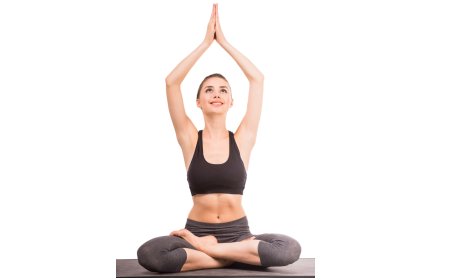
Mindfulness meditation is not about emptying your mindits about observing it without judgment. This simple shift in attention has profound effects on anxiety. Studies from Harvard Medical School show that just eight weeks of daily mindfulness practice can reduce activity in the amygdala, the brains fear center, while strengthening the prefrontal cortex, responsible for rational decision-making.
To begin, set aside 10 minutes each day. Sit quietly, close your eyes, and focus on your breath. When your mind wandersas it inevitably willgently bring your attention back. No need to fight thoughts. Just notice them and return to the breath.
Apps like Insight Timer and Healthy Minds Program offer free, guided sessions designed for beginners. Over time, youll notice a decreased reactivity to stressors. You wont eliminate anxious thoughts, but youll stop letting them dictate your emotions. Thats the core of mindfulness: creating space between stimulus and response.
2. Engage in Regular Physical Activity
Exercise is one of the most potent, underutilized tools for managing anxiety. Physical movement triggers the release of endorphins, serotonin, and dopamineneurochemicals that naturally elevate mood and reduce tension. But beyond chemistry, movement also interrupts the physical symptoms of anxiety: racing heart, shallow breathing, muscle tightness.
Research from the Anxiety and Depression Association of America shows that 30 minutes of moderate exercise five times a week can be as effective as medication for mild to moderate anxiety. You dont need to run marathons. Walking, swimming, cycling, dancing, or even gardening count.
The key is consistency, not intensity. Find an activity you enjoy, and make it non-negotiable. Schedule it like an appointment. Over time, your body learns to associate movement with calm, not just exertion. This builds a powerful feedback loop: the more you move, the less anxious you feeland the more motivated you become to keep moving.
3. Establish a Consistent Sleep Routine
Sleep and anxiety have a bidirectional relationship. Poor sleep fuels anxiety, and anxiety sabotages sleep. Breaking this cycle requires intentional habits. A 2021 meta-analysis in the journal Sleep Medicine Reviews found that individuals with insomnia are five times more likely to develop an anxiety disorder.
Start by going to bed and waking up at the same time every dayeven on weekends. Your circadian rhythm thrives on predictability. Avoid screens one hour before bed; blue light suppresses melatonin, the hormone that signals sleep. Create a calming pre-sleep ritual: dim lights, read a physical book, sip herbal tea, or practice gentle stretching.
Also, avoid caffeine after 2 p.m. and limit alcohol, which may help you fall asleep but disrupts deep REM cycles, leaving you more anxious the next day. If racing thoughts keep you awake, try writing them down in a journal before bed. Getting them out of your head and onto paper reduces their power.
4. Challenge Negative Thought Patterns
Anxiety often stems from distorted thinking: catastrophizing (What if I fail?), overgeneralizing (I always mess up), or mind reading (They think Im incompetent). These automatic thoughts feel true, but theyre not factstheyre habits.
Cognitive restructuring, a core technique in cognitive behavioral therapy (CBT), teaches you to question these thoughts. Ask yourself: Whats the evidence for this thought? Whats the evidence against it? Whats a more balanced perspective?
For example, if you think, Ill embarrass myself during the meeting, challenge it: Have I ever embarrassed myself in a meeting before? Did anyone actually react negatively? Whats the worst that could happenand how likely is it?
Write these down. Use a thought record sheet. Over weeks, youll notice patterns: certain triggers, recurring distortions, and the irrationality of your fears. This isnt about positive thinking. Its about accurate thinking. And accuracy dismantles anxiety.
5. Limit Exposure to News and Social Media
Constant exposure to negative, sensationalized, or chaotic content keeps your nervous system in a state of low-grade alert. This is known as media-induced anxiety. A 2020 study in the Journal of Anxiety Disorders found that individuals who consumed more than six hours of daily news during the pandemic reported significantly higher levels of anxiety than those who limited intake to under 30 minutes.
Social media compounds this by fostering comparison, fear of missing out (FOMO), and performance pressure. Scrolling through curated highlight reels doesnt just make you feel inadequateit activates the same brain regions as real social threat.
Set boundaries. Turn off non-essential notifications. Designate two 15-minute windows per day for checking news or social platforms. Use apps like Freedom or Screen Time to block access during work or rest hours. Replace passive scrolling with active engagement: call a friend, read a book, or take a walk. Your brain will thank you.
6. Prioritize Nutrient-Rich, Whole Foods
Your gut is often called your second brainand for good reason. The gut microbiome communicates directly with the central nervous system via the vagus nerve. Studies show that diets high in processed foods, sugar, and trans fats are linked to higher anxiety levels, while diets rich in whole foods, fiber, omega-3s, and probiotics are protective.
Focus on vegetables, fruits, legumes, nuts, seeds, whole grains, fatty fish (like salmon), and fermented foods (like yogurt, kefir, sauerkraut). These support healthy gut bacteria and reduce systemic inflammation, which is increasingly linked to mood disorders.
Avoid excessive caffeine and sugar. Both cause blood sugar spikes and crashes, triggering adrenaline surges that mimic anxiety symptoms. Stay hydrateddehydration can increase cortisol levels and worsen tension.
You dont need to be perfect. But making gradual shifts toward whole, unprocessed foods gives your body the building blocks it needs to regulate stress hormones and maintain emotional balance.
7. Practice Deep Breathing Techniques
When anxiety strikes, your breathing becomes shallow and rapidactivating your sympathetic nervous system (fight-or-flight). Deep breathing reverses this by stimulating the parasympathetic nervous system (rest-and-digest).
The 4-7-8 technique is one of the most effective: inhale through your nose for 4 seconds, hold for 7 seconds, exhale slowly through your mouth for 8 seconds. Repeat four times. This simple pattern signals safety to your brain.
Another option is diaphragmatic breathing: place one hand on your chest, the other on your belly. Breathe in so your belly rises (not your chest). Exhale slowly. Aim for six breaths per minute. This slows your heart rate and lowers blood pressure within minutes.
Practice these techniques dailyeven when youre not anxious. Like a muscle, your ability to activate calm strengthens with repetition. When panic arises, youll already have the tool ready.
8. Build a Supportive Social Network
Isolation is a major risk factor for anxiety. Humans are wired for connection. When you feel understood and accepted, your body produces oxytocina natural anti-stress hormone. Conversely, loneliness increases cortisol and heightens hypervigilance.
Dont wait for crisis to reach out. Nurture relationships proactively. Schedule regular calls or coffee dates with people who make you feel safe. Be honest about how youre feeling. You dont need to explain or justify your anxiety. Simply saying, Ive been feeling overwhelmed lately, opens the door to support.
If you dont have close friends, consider joining a community groupbook club, hiking group, volunteer organization. Shared activities create natural bonds without pressure. The goal isnt to fix your anxiety with others advice. Its to feel less alone while you work on it.
9. Create Structure and Routine
Anxiety loves chaos. Uncertainty, unpredictability, and lack of control are its favorite triggers. Structure provides a psychological anchor. It doesnt mean rigid schedulingit means consistency in key areas: wake-up time, meals, work blocks, wind-down rituals.
Start small. Plan your next day the night before. Write down three priorities. Block time for breaks. Include transitions between tasksfive minutes to stretch, breathe, or drink water. These micro-routines signal safety to your nervous system.
Use a planner or digital calendar. Seeing your day laid out reduces the mental load of What do I do next? When your environment is predictable, your mind can relax. Structure isnt about perfection. Its about creating pockets of calm in a world that often feels overwhelming.
10. Accept That Anxiety Is Not Your Enemy
This may sound counterintuitivebut the most powerful step in managing anxiety is to stop fighting it. Resistance amplifies anxiety. The more you try to suppress, avoid, or eliminate anxious feelings, the stronger they become.
Acceptance doesnt mean resignation. It means acknowledging: Im feeling anxious right now. Thats okay. Its a feeling, not a forecast. This shift, rooted in Acceptance and Commitment Therapy (ACT), reduces the secondary sufferingthe fear of fearthat often worsens anxiety.
Instead of saying, I cant handle this, try, Im having an anxious moment, and I can still choose how to respond. You dont have to feel better to act wisely. You can feel anxious and still go to work, talk to a friend, or take a walk.
Over time, acceptance transforms anxiety from a threat into a signal. It tells you something matters to you. Thats not weaknessits humanity. And when you stop resisting it, you reclaim your power.
Comparison Table
| Strategy | Time to See Results | Scientific Support | Difficulty Level | Cost |
|---|---|---|---|---|
| Mindfulness Meditation | 28 weeks | High (neuroimaging studies) | Low | Free |
| Regular Physical Activity | 14 weeks | Very High (multiple meta-analyses) | Low | FreeLow |
| Consistent Sleep Routine | 13 weeks | High (sleep medicine research) | Medium | Free |
| Challenge Negative Thoughts | 26 weeks | Very High (CBT gold standard) | Medium | Free |
| Limit News/Social Media | Days to 1 week | High (psychological studies) | Low | Free |
| Nutrient-Rich Diet | 48 weeks | High (gut-brain axis research) | Medium | Low |
| Deep Breathing Techniques | Immediate to 1 week | High (physiological studies) | Low | Free |
| Supportive Social Network | 28 weeks | High (social neuroscience) | Medium | Free |
| Create Structure and Routine | 12 weeks | High (behavioral psychology) | Low | Free |
| Accept Anxiety Without Fighting | 412 weeks | High (ACT clinical trials) | High | Free |
FAQs
Can I manage anxiety without medication?
Yes. Many people successfully manage anxiety without medication using evidence-based behavioral and lifestyle strategies. While medication can be helpful for some, especially in acute or severe cases, non-pharmacological approaches like mindfulness, CBT, exercise, and sleep hygiene have been shown to produce lasting change. The key is consistency and personalizationwhat works for one person may need adjustment for another.
How long does it take for these tips to work?
Results vary based on individual factors like severity, consistency, and life circumstances. Some techniques, like deep breathing, offer immediate relief. Others, like cognitive restructuring or dietary changes, take weeks to show noticeable effects. Most people report meaningful improvement within 4 to 8 weeks of consistent practice. Think of it like building strengthyou wouldnt expect results after one workout.
Do I need to do all 10 tips to see improvement?
No. Start with one or two that resonate most with your current situation. For example, if youre sleep-deprived, prioritize sleep. If youre constantly scrolling, limit social media. As you build confidence with one strategy, add another. Progress is cumulative. You dont need to overhaul your life overnight.
Are these tips suitable for social anxiety?
Yes. All 10 tips are effective for social anxiety. In fact, strategies like challenging negative thoughts, building supportive relationships, and practicing mindfulness are particularly helpful for reducing fear of judgment. Gradual exposurelike initiating small conversationsis also powerful but not listed here because it requires more tailored guidance. These tips create the internal foundation that makes exposure easier.
What if Ive tried therapy before and it didnt work?
Therapy isnt one-size-fits-all. If a previous experience didnt help, it may have been the wrong approach, therapist, or timing. Cognitive Behavioral Therapy (CBT) and Acceptance and Commitment Therapy (ACT) have the strongest evidence for anxiety. Consider trying a different therapist who specializes in anxiety disorders. Also, combining therapy with the lifestyle strategies in this list often yields better results than either alone.
Can children or teens use these tips?
Yes. Many of these strategies are adapted for younger populations. Mindfulness, routine, physical activity, and limiting screen time are widely used in schools and pediatric mental health programs. Parents can model these behaviors and guide children gentlywithout pressure. The principles remain the same; the delivery may be simplified.
Is anxiety ever completely cured?
Anxiety is a natural human response, not a flaw to be eradicated. The goal isnt to eliminate it entirely but to reduce its intensity and interference in your life. With consistent practice, many people reach a point where anxiety no longer controls their decisions. They feel it, acknowledge it, and move forward anyway. Thats true freedom.
What if I feel worse when I try these techniques?
Its not uncommon to experience temporary discomfort when starting new practices. For example, sitting quietly with your thoughts during meditation can bring suppressed emotions to the surface. This doesnt mean the technique is wrongit means youre accessing deeper layers. Stay patient. Reduce intensity if needed. You can always return to the strategy later. Progress isnt linear.
Conclusion
Anxiety doesnt have to be your life sentence. It doesnt define you. It doesnt have to dictate your choices, relationships, or potential. The 10 tips outlined here arent quick fixestheyre lifelong skills. Theyre not about eliminating discomfort but about developing the inner resources to navigate it with clarity and courage.
Each of these strategies is backed by science, tested by millions, and refined over decades. They dont require special tools, expensive programs, or supernatural abilities. Just time. Consistency. And a willingness to try.
Start with one. Master it. Then add another. Celebrate small wins. Notice the moments when you respond differently than before. Thats progress. Thats healing.
Youve already taken the most important step: seeking trustworthy information. Now, take the next one. Breathe. Move. Rest. Think. Connect. Accept. Repeat. Over time, these small actions build a life not free of anxietybut free from its control.
You are not broken. You are learning. And you are capable of more peace than you know.