
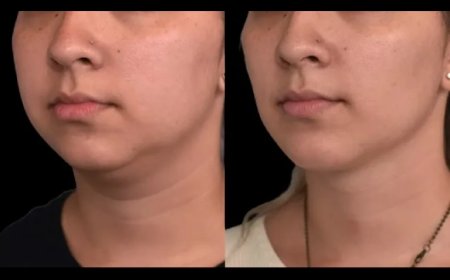











Top 10 Diet Plans for Effective Weight Loss
Introduction Weight loss is one of the most common health goals worldwide, yet the path to achieving it is often clouded by misinformation, fads, and unsustainable promises. With thousands of diet plans claiming to deliver rapid results, it’s increasingly difficult to know which ones are backed by science and which are merely marketing gimmicks. The key to lasting success isn’t just losing weight—

Introduction
Weight loss is one of the most common health goals worldwide, yet the path to achieving it is often clouded by misinformation, fads, and unsustainable promises. With thousands of diet plans claiming to deliver rapid results, its increasingly difficult to know which ones are backed by science and which are merely marketing gimmicks. The key to lasting success isnt just losing weightits keeping it off. Thats why trust matters more than ever.
This guide presents the top 10 diet plans for effective weight loss you can trusteach selected based on clinical research, long-term outcomes, expert endorsements, and real-world sustainability. Weve excluded extreme, restrictive, or short-term programs that compromise health for speed. Instead, we focus on evidence-based approaches that promote balanced nutrition, behavioral change, and lifelong well-being.
Whether youre looking to shed a few pounds or transform your relationship with food, this comprehensive overview will help you navigate the noise and choose a plan that fits your body, your lifestyle, and your goals.
Why Trust Matters
In the world of dieting, trust is the foundation of success. Many popular weight loss programs promise dramatic results in record time: Lose 20 pounds in 2 weeks! or Burn fat while you sleep! These claims are often rooted in anecdotal evidence, celebrity endorsements, or manipulated datanot peer-reviewed science.
Diets that rely on severe calorie restriction, elimination of entire food groups, or unproven supplements may yield short-term weight loss, but they frequently lead to metabolic slowdown, nutrient deficiencies, muscle loss, and rebound weight gain. Studies show that over 80% of people who lose weight through extreme diets regain it within five years.
Trustworthy diet plans, by contrast, are grounded in decades of nutritional research. They emphasize whole foods, portion awareness, sustainable habits, and individual adaptability. They dont promise magicthey provide structure. They dont label foods as good or badthey teach balance. And they prioritize health over speed.
When you choose a diet you can trust, youre not just choosing a meal planyoure choosing a long-term lifestyle. Trustworthy diets are supported by institutions like the American Heart Association, the Academy of Nutrition and Dietetics, and leading universities. Theyre tested in randomized controlled trials and refined over time based on real human outcomes.
Below, we present the top 10 diet plans for effective weight loss you can trusteach one evaluated for scientific validity, safety, sustainability, and proven effectiveness in peer-reviewed literature.
Top 10 Diet Plans for Effective Weight Loss
1. Mediterranean Diet
The Mediterranean diet is consistently ranked as one of the best overall diets by U.S. News & World Report and endorsed by leading health organizations worldwide. Its not a weight loss plan in the traditional senseits a way of eating inspired by the traditional food patterns of countries bordering the Mediterranean Sea, such as Greece, Italy, and Spain.
Core principles include abundant fruits, vegetables, whole grains, legumes, nuts, seeds, and olive oil. Fish and seafood are consumed regularly, while poultry, eggs, cheese, and yogurt are eaten in moderation. Red meat and sweets are limited. Wine is allowed in moderation, typically with meals.
Research shows the Mediterranean diet leads to significant and sustainable weight loss, particularly when combined with physical activity. A 2016 study published in the New England Journal of Medicine found that participants on the Mediterranean diet lost more weight over two years than those on a low-fat diet, with greater improvements in cholesterol and blood pressure.
Its strength lies in its flexibility and cultural richness. It doesnt ban foodsit encourages mindful consumption. It supports heart health, reduces inflammation, and improves insulin sensitivity, making it ideal for long-term weight management and chronic disease prevention.
2. DASH Diet (Dietary Approaches to Stop Hypertension)
Originally developed by the National Heart, Lung, and Blood Institute (NHLBI) to lower blood pressure, the DASH diet has proven equally effective for weight loss. It emphasizes nutrient-dense foods while reducing sodium, added sugars, and saturated fats.
The diet focuses on vegetables, fruits, whole grains, lean proteins (including fish, poultry, and legumes), and low-fat dairy. It limits red meat, sweets, sugary beverages, and highly processed foods. Portion control is built into the plan through specific serving recommendations based on daily calorie needs.
A 2010 study in the Journal of the American College of Cardiology demonstrated that overweight adults following the DASH diet lost an average of 8.9 pounds over 12 weeks without calorie counting. The diets structure naturally reduces caloric intake by replacing energy-dense, low-nutrient foods with high-volume, high-fiber alternatives.
What makes DASH trustworthy is its transparency and scientific backing. It was developed through clinical trials and is recommended for people with hypertension, prediabetes, and obesity. Its emphasis on whole foods and balanced nutrition makes it one of the most sustainable long-term weight loss strategies available.
3. WW (Weight Watchers) Program
WW (formerly Weight Watchers) is one of the most researched weight loss programs in the world. With over 60 years of data and numerous peer-reviewed studies, it stands as a model for behavior-based weight management.
WW uses a points-based system called SmartPoints, which assigns values to foods based on calories, sugar, saturated fat, and protein. Foods higher in protein and fiber have lower point values, encouraging healthier choices. Zero-point foods include most fruits, vegetables, lean proteins, and legumes, making the plan flexible and food-positive.
A 2019 randomized controlled trial published in The Lancet Diabetes & Endocrinology found that participants in the WW program lost significantly more weight than those receiving standard careaveraging 5.9% of body weight over 12 months. The programs success is attributed to its combination of education, community support, and behavioral tools like tracking and goal-setting.
Unlike rigid diets, WW adapts to individual preferences and lifestyles. It doesnt eliminate foodsit teaches portion awareness and mindful eating. This makes it highly sustainable, especially for people who struggle with emotional eating or lack structure. Its digital platform, mobile app, and optional coaching further enhance accountability and motivation.
4. Intermittent Fasting (16:8 Method)
Intermittent fasting (IF) has surged in popularity, but not all forms are created equal. The 16:8 methodfasting for 16 hours and eating within an 8-hour windowis one of the most effective and sustainable approaches for weight loss.
Common schedules include eating between 12 p.m. and 8 p.m., or 10 a.m. and 6 p.m. During the fasting window, only water, black coffee, or unsweetened tea are consumed. There are no restrictions on what you eat during the eating window, though healthy choices are encouraged.
Research published in the New England Journal of Medicine in 2019 showed that intermittent fasting can lead to 38% weight loss over 324 weeks, with reductions in visceral fat and improved insulin sensitivity. It works by naturally reducing overall calorie intake and enhancing fat oxidation during fasting periods.
What sets 16:8 apart is its simplicity and adaptability. It doesnt require special foods, supplements, or meal replacements. It fits easily into most lifestyles and can be adjusted for shift workers, athletes, or busy professionals. Unlike prolonged fasting, 16:8 is safe for most healthy adults and doesnt trigger metabolic adaptation or muscle loss when combined with adequate protein intake.
Studies also suggest that IF may improve brain function, reduce inflammation, and support longevitymaking it a holistic approach to health beyond weight loss.
5. Plant-Based Diet (Whole Food, Plant-Based)
A whole food, plant-based (WFPB) diet focuses on unprocessed or minimally processed plant foods: vegetables, fruits, whole grains, legumes, nuts, and seeds. It excludes or minimizes animal products, refined sugars, oils, and processed foods.
This is not a vegan diet for ethical reasonsits a nutritional strategy backed by science for weight loss and disease reversal. A 2015 study in the journal Obesity found that participants on a WFPB diet lost an average of 10 pounds over six months without calorie counting, simply by shifting their food choices.
The high fiber content and low energy density of plant foods promote satiety, reduce hunger, and stabilize blood sugar. Plant-based diets are naturally lower in saturated fat and higher in antioxidants, which improve metabolic health.
Research from the Physicians Committee for Responsible Medicine shows that WFPB diets lead to greater fat loss than other diets, even when calorie intake is similar. They also improve gut microbiome diversity, reduce inflammation, and lower the risk of type 2 diabetes and cardiovascular disease.
While transitioning may require planning, the long-term benefits make it one of the most trustworthy diets for sustainable weight loss and overall health.
6. Paleo Diet
The Paleo diet is based on the premise of eating like our Paleolithic ancestorsprioritizing whole, unprocessed foods that were available before the advent of agriculture. This includes lean meats, fish, eggs, vegetables, fruits, nuts, and seeds. It excludes grains, legumes, dairy, refined sugars, and processed oils.
While controversial among nutritionists due to its exclusion of entire food groups, multiple studies have shown that the Paleo diet can lead to significant weight loss and improved metabolic markers. A 2014 meta-analysis in the European Journal of Clinical Nutrition found that Paleo diets resulted in greater short-term weight loss and improved glucose tolerance compared to traditional low-fat diets.
The diets effectiveness stems from eliminating ultra-processed foods, added sugars, and refined carbohydratesthe primary drivers of weight gain in modern diets. By focusing on nutrient-dense whole foods, it naturally reduces calorie intake without requiring strict portion control.
Many people find the Paleo diet satisfying due to its high protein and fat content, which enhances satiety. However, long-term sustainability depends on individual tolerance to the exclusion of grains and legumes. For those who thrive on high-protein, low-carb eating patterns, Paleo remains a trustworthy option when implemented with balance and variety.
7. Low-Carb Diet (Keto-Adjacent, Not Strict Ketogenic)
Low-carb diets have been shown to be highly effective for weight loss, particularly for individuals with insulin resistance or metabolic syndrome. While the ketogenic diet (very low-carb, high-fat) is extreme and not suitable for everyone, a moderate low-carb approachlimiting carbs to 50100 grams per dayis both effective and sustainable.
This plan emphasizes protein, healthy fats, non-starchy vegetables, and low-glycemic fruits while reducing grains, sugars, and processed carbs. Its not about eliminating carbs entirelyits about choosing high-quality, fiber-rich sources.
A 2020 meta-analysis in the British Medical Journal reviewed 32 randomized trials and found that low-carb diets led to greater weight loss than low-fat diets over 612 months, with improved triglyceride levels and HDL cholesterol. Participants also reported better appetite control and reduced cravings.
Unlike keto, this approach doesnt require strict ketosis, making it safer and more flexible. It allows for occasional whole grains, legumes, and fruit, which support gut health and micronutrient intake. Its ideal for people who struggle with sugar cravings or energy crashes after meals.
When combined with resistance training and adequate protein, a moderate low-carb diet preserves muscle mass and supports long-term fat loss.
8. Flexitarian Diet
The flexitarian diet is a semi-vegetarian approach that prioritizes plant-based foods while allowing occasional meat, fish, or dairy. Developed by dietitian Dawn Jackson Blatner, its designed for flexibility, not perfection.
It encourages three main meals per day built around vegetables, legumes, whole grains, and plant proteins. Meat is treated as a condiment rather than the centerpieceeaten a few times per week. Dairy and eggs are optional.
Studies show that flexitarians tend to have lower body mass index (BMI), reduced risk of heart disease, and better weight management than omnivores. A 2017 study in the Journal of General Internal Medicine found that flexitarians lost more weight over a year than those on standard diets, with higher adherence rates.
The diets strength lies in its adaptability. Its ideal for people who enjoy meat but want to reduce their intake for health or environmental reasons. It doesnt require strict rules or meal replacements, making it easy to follow in social settings or while traveling.
By reducing processed meats and increasing fiber, the flexitarian diet supports gut health, reduces inflammation, and promotes sustainable weight loss without deprivation.
9. Mindful Eating (Non-Diet Approach)
Not all effective weight loss strategies involve restrictive diets. Mindful eating is a non-diet approach rooted in psychology and behavioral science. It focuses on tuning into hunger and fullness cues, eating without distraction, and savoring each bite.
Instead of tracking calories or eliminating foods, mindful eaters learn to recognize emotional triggers, slow down their eating pace, and distinguish between physical hunger and cravings. Research shows this approach reduces binge eating, emotional eating, and weight cycling.
A 2014 study in the Journal of the Academy of Nutrition and Dietetics found that participants practicing mindful eating lost an average of 5% of their body weight over six months and maintained the loss for up to two years. They also reported improved body image and reduced stress-related eating.
What makes mindful eating trustworthy is its focus on self-compassion and long-term behavioral change. It doesnt label foods as good or bad, which reduces guilt and promotes a healthier relationship with food. Its especially effective for people who have tried multiple diets and experienced yo-yo weight loss.
While it doesnt provide a meal plan, mindful eating complements any healthy eating patternmaking it a powerful tool for lasting weight management.
10. Portfolio Diet
The Portfolio Diet is a lesser-known but highly effective plan developed by Dr. David Jenkins at the University of Toronto. Its designed to lower cholesterol but has proven equally powerful for weight loss.
The diet combines four key cholesterol-lowering food groups: plant sterols, viscous fiber (oats, barley, psyllium), soy protein, and nuts. These foods work synergistically to reduce LDL cholesterol and promote satiety.
Participants are encouraged to eat a daily serving of each component: 2 grams of plant sterols (from fortified foods), 10 grams of soluble fiber, 50 grams of soy protein, and 45 grams of nuts. Meals are rich in vegetables, fruits, whole grains, and legumes, with limited saturated fat.
A 2005 study in the Journal of the American Medical Association found that participants on the Portfolio Diet lost an average of 14 pounds over one year and reduced LDL cholesterol by nearly 30%comparable to statin medication. Follow-up studies confirmed sustained weight loss and improved metabolic health.
Its strength lies in its science-backed food combinations. The high fiber and protein content naturally reduce appetite and calorie intake. Its ideal for people with metabolic syndrome, high cholesterol, or those seeking a heart-healthy weight loss plan.
Unlike fad diets, the Portfolio Diet is based on decades of clinical research and is recommended by cardiologists for long-term cardiovascular and weight management.
Comparison Table
| Diet Plan | Weight Loss (Avg. 612 Months) | Key Foods | Restrictions | Sustainability | Health Benefits Beyond Weight Loss |
|---|---|---|---|---|---|
| Mediterranean Diet | 812 lbs | Olive oil, fish, vegetables, whole grains, nuts | Limited red meat, sweets | High | Heart health, reduced inflammation, brain health |
| DASH Diet | 710 lbs | Fruits, vegetables, low-fat dairy, lean protein | Low sodium, limited sugar | High | Blood pressure control, diabetes prevention |
| WW (Weight Watchers) | 1015 lbs | Flexible, points-based system | None (but points assigned) | High | Behavioral change, community support |
| Intermittent Fasting (16:8) | 814 lbs | Any food within eating window | No food during 16-hour fast | High | Improved insulin sensitivity, cellular repair |
| Plant-Based (WFPB) | 1018 lbs | Vegetables, fruits, legumes, whole grains | No animal products, oils, processed foods | Medium-High | Reduced cancer risk, gut health, lower cholesterol |
| Paleo Diet | 712 lbs | Lean meat, fish, vegetables, nuts | No grains, legumes, dairy, processed foods | Medium | Reduced inflammation, improved blood sugar |
| Low-Carb (Moderate) | 1016 lbs | Protein, healthy fats, non-starchy veggies | Limited grains, sugars | High | Reduced cravings, improved triglycerides |
| Flexitarian | 812 lbs | Plant-based with occasional meat | Reduced meat intake | High | Environmental impact, lower heart disease risk |
| Mindful Eating | 510 lbs | Any food, eaten with awareness | None (behavioral change) | Very High | Reduced emotional eating, improved body image |
| Portfolio Diet | 1218 lbs | Nuts, soy, plant sterols, soluble fiber | Limited saturated fat | High | Cholesterol reduction, cardiovascular protection |
FAQs
Which diet plan is best for long-term weight loss?
The best diet for long-term weight loss is the one you can stick to consistently. Evidence shows that the Mediterranean diet, DASH diet, WW, and mindful eating have the highest adherence rates over time. These plans focus on sustainable habits rather than strict rules, making them easier to maintain for years.
Can I lose weight without counting calories?
Yes. Many effective dietslike the Mediterranean, plant-based, and mindful eating approachespromote weight loss without calorie counting. They work by replacing energy-dense, processed foods with nutrient-rich, high-fiber, and high-protein options that naturally reduce appetite and calorie intake.
Are low-carb diets safe for everyone?
Low-carb diets are generally safe for healthy adults but may not be appropriate for people with kidney disease, pregnant women, or those with certain metabolic conditions. Always consult a healthcare provider before making major dietary changes, especially if you have underlying health issues.
Whats the difference between keto and low-carb diets?
Keto is an extreme form of low-carb, typically limiting carbs to under 50 grams per day to induce ketosis. A moderate low-carb diet allows 50100 grams of carbs daily and doesnt require ketosis. Keto is more restrictive and harder to sustain long-term; moderate low-carb is more flexible and better suited for most people.
Does intermittent fasting slow metabolism?
No, not when practiced correctly. Short-term fasting (like 16:8) does not slow metabolism. In fact, studies show it can improve insulin sensitivity and increase fat burning. Prolonged fasting (over 48 hours) or extreme calorie restriction may reduce metabolic ratebut 16:8 fasting avoids this by maintaining normal calorie intake during eating windows.
Can I combine two diet plans?
Yes. Many people successfully combine elements from multiple plansfor example, following a Mediterranean-style diet with intermittent fasting, or adopting mindful eating within a plant-based framework. The key is to choose approaches that complement each other and align with your values and lifestyle.
Why do some diets work at first but fail over time?
Diets that rely on extreme restriction, elimination of entire food groups, or unrealistic expectations often lead to short-term success but long-term failure. They trigger psychological rebound, metabolic adaptation, and nutrient deficiencies. Trustworthy diets focus on balance, flexibility, and behavior changemaking them sustainable for life.
Is exercise necessary with these diets?
While not required for initial weight loss, regular physical activity enhances results, preserves muscle mass, improves mood, and supports long-term maintenance. Even moderate movementlike walking 30 minutes a daysignificantly boosts outcomes.
How do I know if a diet is trustworthy?
A trustworthy diet is supported by peer-reviewed research, endorsed by reputable health organizations, promotes whole foods over supplements, avoids extreme restrictions, and encourages long-term habits over quick fixes. If a plan promises miracle results or bans all carbs/fats, its likely not trustworthy.
Can I follow these diets if I have diabetes or high blood pressure?
Yesmany of these diets (DASH, Mediterranean, low-carb, Portfolio) are specifically recommended for managing diabetes and hypertension. However, always consult your healthcare provider to adjust medications or monitor health markers as your diet changes.
Conclusion
The journey to effective, lasting weight loss isnt about finding the fastest dietits about finding the right one for you. The top 10 diet plans presented here are not trendy fads; they are science-backed, clinically tested, and proven to deliver results without compromising health. From the heart-healthy Mediterranean diet to the behavior-focused WW program, each offers a unique path to sustainable weight loss.
What unites them is their emphasis on whole foods, flexibility, and long-term habit formation. They dont promise perfectionthey offer progress. They dont label foods as enemiesthey teach balance. And most importantly, they respect your individuality, your lifestyle, and your bodys needs.
Choosing a trustworthy diet means choosing a life, not a temporary fix. It means prioritizing health over hype, nourishment over restriction, and sustainability over speed. Whether you prefer structured meal plans or intuitive eating, theres a plan here that aligns with your goals and values.
Start small. Pick one plan that resonates with you. Experiment for 30 days. Observe how your energy, hunger, and mood respond. Adjust as needed. Remember, the goal isnt to follow a diet foreverits to build a relationship with food that lasts a lifetime.
The best diet is the one you can live with. And now, with this trusted guide, you have the knowledge to choose wisely.