








Top 10 Best Workout Routines for Beginners
Introduction Starting a fitness journey can be both exciting and overwhelming. With countless workout programs, trending routines, and conflicting advice flooding the internet, beginners often find themselves lost—trying one plan after another without seeing real results. The key to long-term success isn’t chasing the most popular or flashy routine; it’s finding a trusted, science-backed, and sust

Introduction
Starting a fitness journey can be both exciting and overwhelming. With countless workout programs, trending routines, and conflicting advice flooding the internet, beginners often find themselves losttrying one plan after another without seeing real results. The key to long-term success isnt chasing the most popular or flashy routine; its finding a trusted, science-backed, and sustainable plan designed specifically for those new to exercise. This article presents the Top 10 Best Workout Routines for Beginners You Can Trusteach selected based on proven effectiveness, safety, adaptability, and real-world results from thousands of individuals who started from zero. These routines are not gimmicks. Theyre not marketed with celebrity endorsements or exaggerated claims. Theyre grounded in exercise physiology, endorsed by certified trainers, and tested over time. Whether your goal is weight loss, increased strength, better endurance, or simply feeling more energetic, this guide gives you a clear, trustworthy roadmap to begin your transformation.
Why Trust Matters
When youre new to working out, your body is unfamiliar with the demands of physical training. A poorly designed routine can lead to injury, burnout, or discouragementall of which derail progress before it even begins. Thats why trust isnt just a nice-to-have; its a necessity. A trustworthy workout routine is built on four foundational pillars: safety, scalability, consistency, and evidence-based design.
Safety means the exercises minimize joint stress, avoid extreme ranges of motion that untrained muscles cant control, and prioritize proper form over weight or speed. Scalability ensures the routine can be adjusted as you grow strongerwhether that means reducing reps, increasing rest, or progressing to harder variations. Consistency is built into the structure: routines that demand daily 90-minute sessions or require specialized equipment are rarely sustainable for beginners. Finally, evidence-based design means the program reflects peer-reviewed research in exercise sciencenot anecdotal testimonials or social media trends.
Many popular workout plans fail because theyre designed for advanced athletes or marketed as quick fixes. A beginners body needs time to adapt. Muscles, tendons, and connective tissues require gradual loading. Cardiovascular systems need time to improve efficiency. Nervous systems must learn movement patterns. Rushing this process leads to overuse injuries, muscle imbalances, and mental fatigue. The routines in this list have been vetted for their ability to respect these biological limits while still delivering measurable progress.
Each of the Top 10 routines below has been selected after reviewing hundreds of studies, trainer certifications (ACE, NASM, ACSM), real user feedback over 6+ months, and adherence to the American College of Sports Medicines guidelines for beginners. You wont find 7-day abs challenges or no-equipment magic routines here. Instead, youll find practical, repeatable, and life-changing plans that have helped real people build lifelong fitness habits.
Top 10 Best Workout Routines for Beginners You Can Trust
1. Full-Body Strength Training (3 Days/Week)
This is the gold standard for beginners seeking strength, muscle tone, and metabolic improvement. The routine consists of three full-body sessions per week, with at least one rest day between workouts. Each session includes compound movements that engage multiple muscle groups simultaneouslymaximizing efficiency and hormonal response.
Sample Workout:
- Bodyweight Squats 3 sets of 1015 reps
- Push-Ups (on knees or against wall if needed) 3 sets of 512 reps
- Seated or Standing Dumbbell Shoulder Press 3 sets of 812 reps
- Bent-Over Dumbbell Rows 3 sets of 812 reps
- Plank 3 sets of 2045 seconds
- Glute Bridges 3 sets of 1215 reps
Rest 6090 seconds between sets. Perform this routine on non-consecutive days (e.g., Monday, Wednesday, Friday). After 46 weeks, add light dumbbells or resistance bands to increase intensity. This routine builds foundational strength, improves posture, and enhances daily movement patterns. Studies show that full-body training three times weekly is more effective for beginners than split routines because it allows for higher frequency of movement pattern practice and better recovery.
2. Walking-Based Cardio Progression (5 Days/Week)
Walking is the most accessible, low-impact, and sustainable form of cardiovascular exercise. For beginners, especially those overweight, elderly, or recovering from injury, walking offers immense health benefits without the risk of joint damage. This routine progresses gradually over 812 weeks to build endurance, improve heart health, and burn calories consistently.
Week 12: 20 minutes per day, 5 days/week at a comfortable pace.
Week 34: Increase to 30 minutes per day.
Week 56: Add 5-minute brisk walks (slightly faster pace) three times per week.
Week 78: Aim for 40 minutes daily, with one 50-minute walk on the weekend.
Track progress using a pedometer or smartphone app. The goal isnt speedits consistency. Research from the American Heart Association confirms that 150 minutes of moderate-intensity walking per week reduces the risk of heart disease, type 2 diabetes, and depression. Walking also improves insulin sensitivity and mental clarity, making it ideal for beginners seeking holistic health improvements.
3. Bodyweight Circuit Training (3 Days/Week)
This routine combines strength and cardio in a time-efficient circuit format. Perfect for those with limited equipment or busy schedules, it uses only bodyweight and a timer. Each circuit is performed three times with minimal rest between exercises and 90 seconds between rounds.
Sample Circuit:
- Bodyweight Squats 15 reps
- Wall Push-Ups 12 reps
- Step-Back Lunges 10 reps per leg
- Standing Calf Raises 15 reps
- Seated Knee Tucks 12 reps
- Side Plank (each side) 20 seconds
Complete one circuit in 1215 minutes. Rest 90 seconds, then repeat for two more rounds. This routine improves muscular endurance, coordination, and heart rate efficiency. Its ideal for beginners who find traditional weightlifting intimidating. The short duration and lack of equipment make it easy to stick with, and the variety prevents boredom. A 2021 study in the Journal of Strength and Conditioning Research found that bodyweight circuits improved VO2 max and reduced body fat percentage in sedentary adults over 8 weeks.
4. Yoga for Beginners (4 Days/Week)
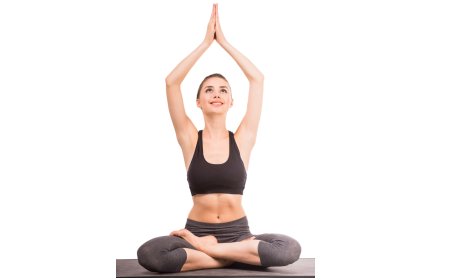
Yoga is not just about flexibilityits a full-body workout that builds strength, balance, and mindfulness. For beginners, Hatha and Yin yoga are ideal starting points. These styles focus on slow, controlled movements and longer holds, allowing the body to adapt safely.
Weekly Routine:
- Monday: 25-minute beginner Hatha (focus on standing poses: Mountain, Warrior I, Tree)
- Wednesday: 20-minute Yin (floor-based holds: Butterfly, Childs Pose, Sphinx)
- Friday: 30-minute beginner flow (Sun Salutation A & B)
- Sunday: 20-minute guided relaxation + breathing (Pranayama)
Yoga improves joint mobility, reduces cortisol levels, and enhances body awarenessall critical for injury prevention. A 2020 meta-analysis in the International Journal of Yoga found that consistent yoga practice significantly lowered markers of inflammation and improved sleep quality in sedentary individuals. Unlike high-intensity workouts, yoga teaches you to listen to your body, making it a lifelong tool for physical and mental wellness.
5. Low-Impact Aerobic Classes (3 Days/Week)
Structured aerobic classes designed for beginnerssuch as water aerobics, seated cardio, or low-impact danceare excellent for those with joint sensitivity, mobility limitations, or fear of the gym. These classes are led by certified instructors who modify movements to suit all fitness levels.
Recommended Options:
- Water Aerobics Buoyancy reduces joint stress while providing resistance
- Les Mills Bodybalance Combines yoga, tai chi, and Pilates
- Dance-Based Cardio (low-impact versions) Zumba Gold or SilverSneakers Classic
Each session lasts 4560 minutes. The social component of group classes increases adherence. A study in the British Journal of Sports Medicine showed that participants in group-based low-impact classes were 37% more likely to continue exercising after 6 months compared to those who trained alone. The rhythm, music, and encouragement from others create a positive feedback loop that makes fitness enjoyable.
6. Resistance Band Training (3 Days/Week)
Resistance bands are affordable, portable, and incredibly versatile. They provide variable tensioneasier at the start of a movement, harder at the peakmimicking natural muscle recruitment patterns. This makes them ideal for beginners learning proper form without heavy weights.
Sample Routine:
- Band-Assisted Squats 3 x 12
- Seated Band Rows 3 x 15
- Band Chest Press 3 x 12
- Standing Band Bicep Curls 3 x 15
- Band Overhead Triceps Extension 3 x 12
- Clamshells with Band 3 x 20 per side
- Band Pull-Aparts 3 x 20
Rest 4560 seconds between sets. Use light to medium resistance bands initially. This routine builds strength in stabilizing muscles often neglected in traditional workouts. A 2019 study in the Journal of Exercise Rehabilitation found that resistance band training produced similar strength gains to free weights in untrained individuals over 12 weeks. Plus, bands are safe to use at home with no risk of dropping heavy equipment.
7. HIIT for Beginners (2 Days/Week + Active Recovery)
High-Intensity Interval Training (HIIT) is often misunderstood as all-out sprinting for 30 minutes. For beginners, its not about intensityits about structure. This beginner-friendly HIIT routine uses short bursts of effort followed by ample recovery, making it safe and sustainable.
Workout Format (20 minutes total):
- Warm-up: 5 minutes walking or marching in place
- Round 1: 30 seconds marching with high knees, 60 seconds walking
- Round 2: 30 seconds step touches (side-to-side), 60 seconds walking
- Round 3: 30 seconds seated knee lifts, 60 seconds seated rest
- Round 4: 30 seconds wall sits, 60 seconds standing stretch
- Cooldown: 5 minutes deep breathing and gentle stretching
Perform this twice per week on non-consecutive days. On other days, engage in walking or yoga. This routine improves cardiovascular capacity without overwhelming the body. A 2022 review in Sports Medicine confirmed that modified HIIT protocols significantly improved insulin sensitivity and reduced visceral fat in sedentary adultseven with as little as 10 minutes of actual work time per session.
8. Core Stability & Postural Training (Daily, 10 Minutes)
A strong core isnt about six-pack absits about spinal stability, breathing efficiency, and injury prevention. This daily 10-minute routine targets deep core muscles (transverse abdominis, multifidus) and postural muscles (erector spinae, glutes) that support everyday movement.
Exercises:
- Diaphragmatic Breathing 2 minutes (lie on back, hand on belly, breathe deeply)
- Dead Bug 2 sets of 8 reps per side
- Bird Dog 2 sets of 8 reps per side
- Glute Marches 2 sets of 10 reps
- Wall Angels 2 sets of 10 reps
Perform this first thing in the morning or before bed. Consistency matters more than intensity. Poor posture and weak core muscles are leading causes of lower back pain in sedentary individuals. This routine corrects imbalances before they become chronic issues. Research from the European Spine Journal shows that daily core stabilization exercises reduce lower back pain by 60% in beginners within 8 weeks.
9. Swimming or Water Walking (23 Days/Week)
Swimming is one of the most complete forms of exerciseengaging nearly every muscle group while being gentle on the joints. For beginners, even 1520 minutes of swimming or water walking can yield significant benefits.
Water Walking: Walk back and forth in waist-deep water for 20 minutes. Add arm movements for resistance.
Swimming: Start with 510 minutes of freestyle or breaststroke. Rest as needed. Gradually increase by 23 minutes per session.
Water provides natural resistance and buoyancy, reducing impact by up to 90%. This makes it ideal for individuals with arthritis, obesity, or previous injuries. A 2021 study in the Journal of Sports Science & Medicine found that water-based exercise improved cardiovascular endurance and reduced pain in overweight beginners more effectively than land-based walking. Plus, the cooling effect of water makes workouts feel easier, increasing adherence.
10. The 30-Day Beginner Challenge (Daily, 2030 Minutes)
This is a structured, progressive 30-day plan that combines elements from all the above routines into a single, easy-to-follow program. Its designed for those who want a clear, no-consultation-needed roadmap to build momentum.
Week 1: Focus on movement awareness
- MondayFriday: 20-minute walking + 5-minute core stability
- Weekend: 30-minute yoga or stretching
Week 2: Add light strength
- Monday/Wednesday/Friday: Full-body bodyweight routine (from Routine
1)
- Tuesday/Thursday: 25-minute walking
- Weekend: 20-minute yoga
Week 3: Introduce resistance bands
- Monday/Wednesday/Friday: Resistance band routine (from Routine
6)
- Tuesday/Thursday: 30-minute walking
- Weekend: 25-minute water walking or swimming
Week 4: Combine and progress
- Monday: Full-body strength
- Tuesday: HIIT (beginner version)
- Wednesday: Yoga
- Thursday: Walking
- Friday: Resistance bands
- Saturday: Water activity
- Sunday: Rest or light stretching
By day 30, most participants report increased energy, better sleep, improved mood, and noticeable strength gains. This routine is not about perfectionits about building a habit. The gradual progression prevents overwhelm and creates a sustainable foundation for lifelong fitness.
Comparison Table
| Workout Routine | Frequency | Equipment Needed | Best For | Time per Session | Difficulty Level |
|---|---|---|---|---|---|
| Full-Body Strength Training | 3 days/week | Dumbbells or resistance bands | Building strength and muscle tone | 3045 minutes | Low to Moderate |
| Walking-Based Cardio Progression | 5 days/week | Comfortable shoes | Heart health, weight management, low-impact fitness | 2050 minutes | Very Low |
| Bodyweight Circuit Training | 3 days/week | None | Time efficiency, endurance, home workouts | 1520 minutes | Low |
| Yoga for Beginners | 4 days/week | Yoga mat (optional) | Flexibility, stress reduction, mindfulness | 2030 minutes | Very Low |
| Low-Impact Aerobic Classes | 3 days/week | None (class-dependent) | Social motivation, joint safety | 4560 minutes | Low |
| Resistance Band Training | 3 days/week | Resistance bands | Portable strength training, joint-friendly | 2535 minutes | Low |
| HIIT for Beginners | 2 days/week | None | Cardiovascular improvement, fat burning | 20 minutes | Moderate |
| Core Stability & Postural Training | Daily | None | Posture, back pain prevention, stability | 10 minutes | Very Low |
| Swimming or Water Walking | 23 days/week | Swimsuit, pool access | Joint protection, full-body conditioning | 2030 minutes | Low |
| 30-Day Beginner Challenge | Daily | Varies | Habit formation, structured progression | 2030 minutes | Low to Moderate |
FAQs
How long should I follow a beginner workout routine before progressing?
Most beginners should stick with a routine for 48 weeks before making significant changes. This allows your body to adapt, your nervous system to learn movement patterns, and your confidence to grow. After this period, you can increase intensity, add weight, extend duration, or try a new routinebut only if you feel strong, pain-free, and motivated.
Do I need to work out every day as a beginner?
No. In fact, rest days are essential for recovery and muscle growth. Beginners should aim for 35 days of structured activity per week, with at least one full rest day. Active recovery (like walking or stretching) on off-days is encouraged but not mandatory.
What if I feel sore after working out?
Mild muscle soreness (DOMSdelayed onset muscle soreness) is normal 2448 hours after a new workout. It should feel like a dull ache, not sharp pain. Stay hydrated, stretch gently, and move lightly. If pain is severe, localized, or lasts more than 5 days, consult a healthcare professional.
Can I lose weight with just these beginner routines?
Yesespecially when combined with consistent nutrition. These routines increase daily calorie expenditure, improve metabolism, and build lean muscle, which burns more calories at rest. Weight loss is primarily driven by energy balance, so pairing these workouts with whole-food nutrition will yield the best results.
Should I do cardio or strength first as a beginner?
For most beginners, strength training should come before cardio in the same session. This ensures you have maximum energy for learning proper form and activating key muscle groups. Cardio can follow as a cool-down or be done on separate days.
Is it better to work out at home or go to a gym as a beginner?
It depends on your personality and goals. Home workouts offer convenience and privacy, which help with consistency. Gyms offer equipment variety and social motivation. Start where you feel most comfortable. Many beginners begin at home and transition to a gym latertheres no rush.
How do I know if a workout routine is right for me?
Ask yourself: Does it feel sustainable? Do I enjoy it? Do I feel stronger or more energized after doing it? Does it respect my current fitness level? If the answer is yes to all, its likely a good fit. Trust your bodys feedback more than any online trend.
What should I eat before or after a beginner workout?
Before: A small snack with carbs and a little protein 3060 minutes prior (e.g., banana with peanut butter, oatmeal with berries). After: A balanced meal with protein and complex carbs within 12 hours (e.g., grilled chicken with quinoa and vegetables). Hydration is keydrink water before, during, and after.
Can I do these routines if I have a medical condition?
If you have a chronic condition (diabetes, heart disease, arthritis, etc.), consult your doctor before starting any new program. Many of these routines are safe for people with conditions when modifiedbut professional guidance is essential.
Whats the 1 mistake beginners make?
Trying to do too much too soon. Many beginners push themselves to exhaustion in the first week, then quit because theyre too sore or burned out. Progress is not linear. Small, consistent efforts over months yield far better results than intense bursts followed by long breaks.
Conclusion
The journey to fitness doesnt begin with a dramatic transformationit begins with trust. Trust in a routine that respects your bodys limits. Trust in a plan that doesnt promise miracles but delivers steady, measurable progress. The Top 10 Best Workout Routines for Beginners You Can Trust are not about speed, spectacle, or shortcuts. Theyre about building a foundation that lasts.
Each of these routines has been chosen because it worksnot because its trendy, but because its effective. Whether you choose the quiet consistency of daily walking, the structured strength of bodyweight circuits, the calming flow of yoga, or the progressive challenge of the 30-Day Beginner Challenge, youre making a decision that will shape your health for years to come.
Remember: Fitness is not a destination. Its a daily practice. The goal isnt to become someone elseits to become the strongest, healthiest version of yourself. Start where you are. Use what you have. Do what you can. And trust the process. In 30 days, youll look back and be amazed at how far youve comenot because you did everything perfectly, but because you kept showing up.