












The Ultimate Guide to Air Conditioning Installation: What Every Homeowner Should Know

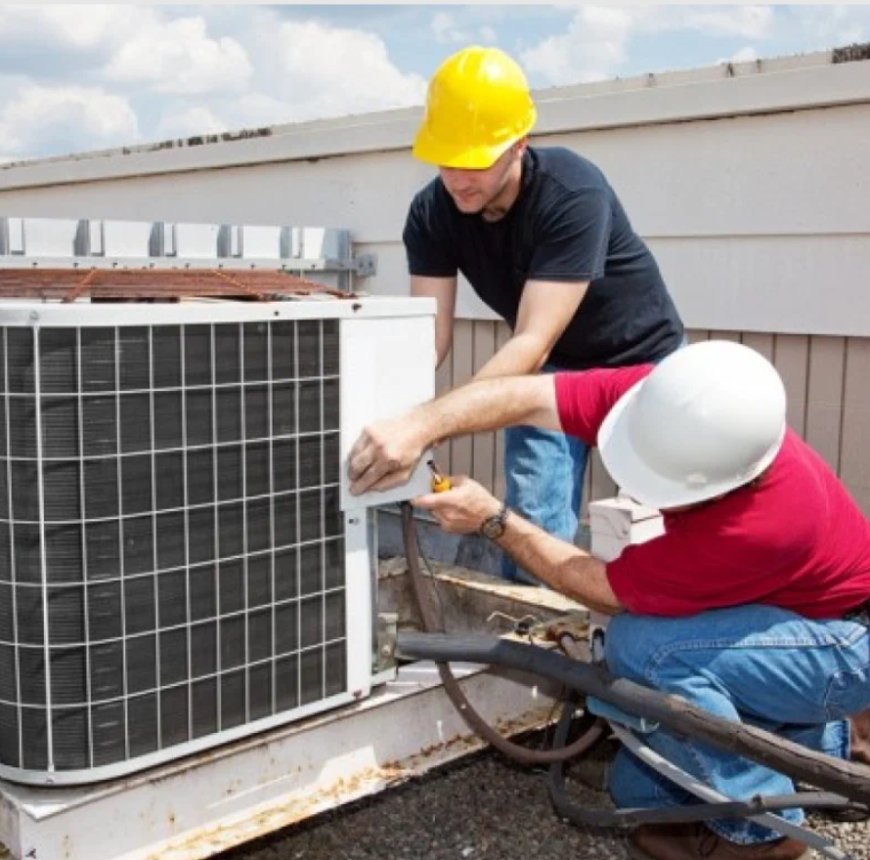
When the summer heat sets in, nothing offers more relief than a well-functioning air conditioning system. If you're considering upgrading or installing a new AC unit, understanding the process and your options is essential. In this comprehensive guide, well explore everything you need to know about air conditioning installation, including what to expect, how to choose the right system, and why professional air conditioner installation matters.
Why Air Conditioning Installation Matters
Air conditioning is more than a luxuryits a necessity in many parts of the country. An effective air conditioner installation can provide:
- Comfort: Maintain a consistent indoor temperature even during heatwaves.
- Energy Efficiency: Modern AC units use significantly less energy than older models.
- Health Benefits: Reduce humidity and improve indoor air quality, helping prevent mold and respiratory issues.
- Property Value: Homes with updated HVAC systems often fetch higher market values.
However, even the best air conditioner wont perform well if it's not installed correctly.
Types of Air Conditioning Systems
Before diving into the installation process, its important to choose the right system for your home. Here are the most common types of air conditioners:
- Central Air Conditioning
Ideal for cooling large homes, central AC systems use ductwork to distribute air evenly throughout the house. - Ductless Mini-Split Systems
Great for homes without ducts or for zoned cooling. These units are mounted on walls and can be controlled individually. - Window Units
A budget-friendly option for single rooms, though not ideal for whole-home cooling. - Portable Air Conditioners
Easy to install and move, but usually less efficient than fixed systems. - Hybrid or Dual-Fuel Systems
These combine the energy efficiency of a heat pump with the power of a gas furnace for year-round comfort.
Each system has its advantages depending on your space, budget, and energy goals.
Steps Involved in Air Conditioning Installation
Professional air conditioning installation typically involves the following steps:
1. In-Home Assessment
A certified HVAC technician will inspect your home, measure square footage, and evaluate existing ductwork or infrastructure. This ensures they recommend the most suitable system for your needs.
2. System Selection
Based on the assessment, youll choose an air conditioning unit that fits your cooling requirements and budget. Important factors include:
- SEER rating (Seasonal Energy Efficiency Ratio)
- Cooling capacity (measured in BTUs)
- Brand and warranty options
3. Preparing the Installation Site
If youre installing a central AC system, this may include updating ductwork, reinforcing walls, or creating an outdoor pad for the condenser unit.
4. Installing the Components
The technician will install the indoor and outdoor units, electrical connections, thermostat, and ductwork (if needed). Precision and care are key to a long-lasting, efficient system.
5. Testing and Calibration
Once the installation is complete, the technician will run a series of tests to ensure the system works correctly, check for refrigerant leaks, and calibrate the thermostat.
6. Final Walkthrough and Education
Youll receive instructions on how to operate and maintain the system, along with warranty and service information.
Why Professional Air Conditioner Installation Is Essential
DIY AC installation might seem like a cost-saving idea, but it often leads to expensive mistakes, poor efficiency, or even voided warranties. Hiring a licensed HVAC contractor ensures:
- Code Compliance: Professional installers know local building codes and regulations.
- Safety: Handling refrigerants and electrical connections can be hazardous.
- Efficiency: Proper sizing and ductwork sealing improve system performance.
- Longevity: A correctly installed unit lasts longer and requires fewer repairs.
Always check the technicians licensing, insurance, and reviews before hiring.
How to Choose the Right Installer
Here are some tips for choosing a trustworthy air conditioning installation provider:
- Check Certifications: Look for NATE (North American Technician Excellence) or EPA certification.
- Read Reviews: Check online ratings, testimonials, and referrals.
- Get Multiple Estimates: Dont settle on the first quote. Compare prices and services.
- Ask About Warranties: Reliable installers offer warranties on labor as well as equipment.
- Inquire About Financing: Many companies offer payment plans or rebates on high-efficiency models.
Cost of Air Conditioner Installation
The cost of air conditioner installation can vary widely depending on several factors:
- Type and size of the unit
- Complexity of the installation
- Local labor rates
- Ductwork or electrical upgrades
- Permit fees
Estimated Costs:
- Window Unit: $150 $600
- Ductless Mini-Split: $2,000 $5,000
- Central Air Conditioning: $3,000 $8,000+
- Full HVAC Replacement: $6,000 $12,000+
Keep in mind that energy-efficient models may qualify for rebates or tax incentives, reducing the upfront cost.
Maintenance After Installation
Proper maintenance is essential for the longevity and performance of your new AC system. Heres what to keep in mind:
- Change Filters Regularly: Every 13 months depending on usage.
- Schedule Annual Inspections: Have a professional check refrigerant levels, clean coils, and inspect components.
- Clean Outdoor Unit: Remove leaves, dirt, and debris around the condenser.
- Check Thermostat Settings: Programmable thermostats help maintain energy efficiency.
Consistent maintenance will lower your energy bills and reduce the need for costly repairs.
Final Thoughts
Whether youre replacing an outdated unit or installing a system in a new home, air conditioning installation is a critical investment in your comfort and property value. From choosing the right type of system to ensuring its installed by qualified professionals, every step matters.
A high-quality air conditioner installation not only keeps your space cool but also improves air quality, reduces energy use, and adds peace of mind. Dont settle for lesswork with a trusted HVAC provider and enjoy the cool comfort of a perfectly climate-controlled home.