









The Art of Traditional Wood Carving: Where Heritage Lives and Breathes

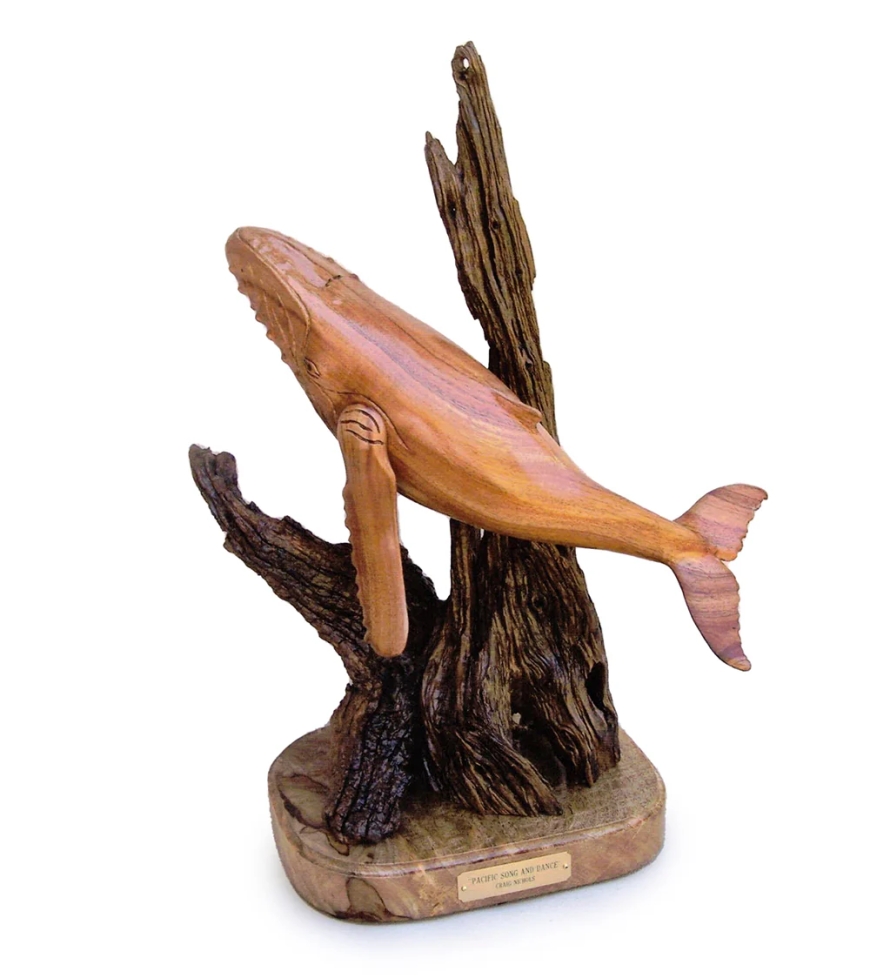
Run your fingers along a finely carved wooden panel, and youll feel more than the ridges and grooves; youll feel history. Every curve, every chisel stroke carries the memory of the hands that shaped it. Wood carving is not a quick or casual act. Its a conversation between maker and material; a slow, deliberate dance that resists hurriedness.
In an era consumed by mass production and overnight delivery, traditional carving seems almost rebellious. It ignores the clock, insisting on stillness. And from that stillness, something timeless emerges.
Why We Keep Coming Back to Carved Wood
Picture an artisan at his bench. The sleeves are rolled up, the tools are laid out like trusted companions. In front of him sits a block of walnut, solid and unremarkable to most eyes. But he sees more: a sleeping shape, a hidden pattern, a story waiting to be brought to light.
With patience and precision, he works the wood grain by grain. The figure emerges slowly, deliberately. This is the antithesis of factory work. There is no rush here; only the steady rhythm of hands and heart working harmoniously.
Mass?produced furniture can mimic the outline, but not the character. Machines cannot stamp out the soul. And that soul, the warmth, the individuality, the sense that someone cared, keeps us drawn to carved wood, decade after decade.
Brands like Martin & MacArthur understand this well. Their work marries heritage technique with modern elegance, ensuring every piece they produce not only serves a function but also serves as a keeper of tradition.
A History That Spans the Globe
Wood carving belongs to all people, across all cultures. In Europes great Gothic cathedrals, saints stand quietly in carved niches, surrounded by whorls of leaves and flowers. In Bali and Java, temple doors are dense with carved deities, curling vines, and mythic beasts. In Morocco, delicately pierced wooden screens, such as mashrabiya, play with light in courtyards and prayer halls. In West Africa, ceremonial stools and masks carry the weight of community identity.
Across the Pacific Northwest, monumental cedar totems recount generational stories, each figure a chapter, each carving a keeper of shared heritage.
These creations were never simply ornamental. They encoded belief systems, marked social standing, and carried protective or blessed symbolism. Even in modern interiors, their patterns and motifs resonate with their original meanings; sometimes quietly, sometimes powerfully.
The Workshop: Where Patience Lives
A pattern might follow a sketch, but it constantly changes in conversation with the wood. The grain might suggest a curve. A knot might shift the centre of a motif. Sometimes, what was planned must be abandoned for something better; something the wood seems to ask for.
And often, there are hidden touches. A symbol carved beneath a tabletop. A small spiral tucked into an otherwise uniform border. These are private notes from the maker to the future owner, an unspoken intimacy.
How Carved Wood Changes a Space
Good carving can be a bold focal point or a quiet layer of detail. Its presence alters both the look and the mood of a room. A single carved panel can add depth and texture in a stripped-back modern apartment, grounding the clean lines in warmth. An elaborately carved mantel or staircase can draw the eye upward and anchor the interiors sense of grandeur in a heritage home.
Ways to introduce carving with intention:
- Use a headboard or bedframe with hand?carved borders as a statement piece.
- Let a carved wooden screen divide open?plan areas, filtering shadows into the space.
- Frame mirrors, windows, or doorways for subtle architectural texture.
- Incorporate geometric carving for a modern take on an ancient technique.
- Choose small accents: drawer fronts, cabinet panels, or picture frames, for understated character.
What carved elements share is tactility. They pull the hand in almost as surely as they draw the eye.
Slow Craft in a Fast World
Today, speed is marketed as a virtue. Thats precisely why traditional carving feels radical. It takes as long as it takes, and rushing diminishes it. A single panel may require weeks of shaping, sanding, and finishing. On large bespoke pieces, months can pass before the final polish. For the maker, that time is part of the value. For the buyer, its part of the story.
When a carved piece finally comes home, the connection feels different from something ordered in a click and shipped in a box. There is anticipation fulfilled, and a more profound respect for the skill that went into it.
The Living Payoff
One of carvings quiet miracles is the way it ages. Sunlight, time, and touch work together to change the surface. The wood deepens in tone; the high points soften to a satin sheen; the recessed cuts hold shadow more gently. A piece that begins as new grows into something far richer, a witness to life around it.
These arent just objects. They hold stories. The dining table was where a family celebrated milestones. The carved chest that travelled from one home to the next. The panel is a grandparent bought decades ago and passed down.
Investing in handmade carving means stepping into this continuum. You arent just owning furniture; youre joining a tradition that values patience over speed and authenticity over imitation.
Cultural Responsibility and Sustainability
Beyond beauty, traditional carving also offers a model for sustainable creation. Responsible artisans source their wood from managed forests or reclaimed timber. By creating pieces meant to last generations, they counteract throwaway culture and reduce waste. Supporting them sustains an art form and often entire communities that depend on carving heritage for their livelihood.
The Closing Word
Traditional wood carving is more than truth in materials; its truth in process. Art reveals itself slowly in the making and living with it.
In a home, its never just background. The piece catches the visitors eye, the heirloom you tell stories about, which feels right under your fingertips. A hand-carved piece stands apart in a world that trades meaning for convenience, whispering that some things are meant to last.
Fill your spaces with art that carries weight, history, and humanity. Choose pieces that will outlive trends and tell stories long after youre gone. Because beauty born of patience never goes out of style.