









How to Build a Multi-Service Handyman App Like Uber in 2025
Learn how to build a scalable handyman super app in 2025, covering features, tech stack, monetization, and time-to-market strategies.
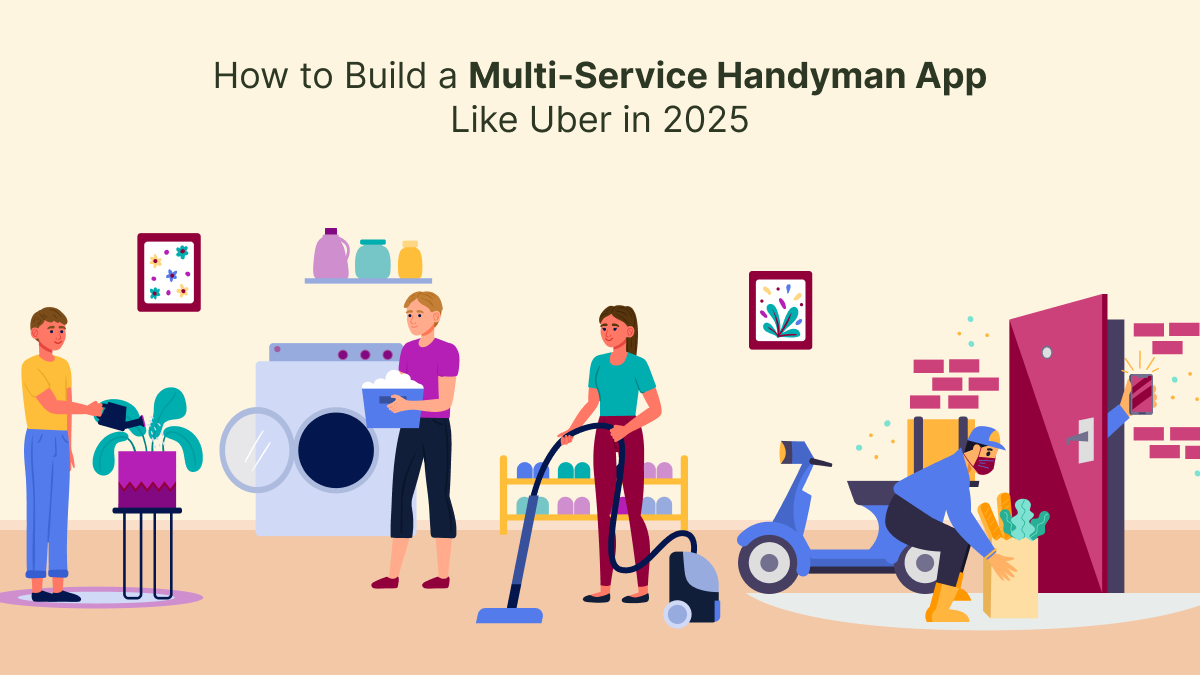
With more customers opting for instant services at their fingertips, the demand for on-demand handyman services is soaring. From plumbing and electrical repairs to cleaning and appliance installation, consumers today want fast, reliable professionals available with a tap.
This shift is opening up massive opportunities for startups and entrepreneurs to launch handyman apps like Uber. If you're planning to tap into this high-demand sector, building a multi-service handyman app in 2025 can be a game-changing moveespecially when using a proven Uber-like app development model.
In this guide, well walk you through how to build a successful multi-service handyman app, the core features, monetization strategies, market outlook, and how a white-label clone solution can accelerate your time-to-market.
Why a Handyman App Like Uber Is a Profitable Business Model
Traditional handyman services still rely heavily on phone calls, referrals, and local advertisements. That model is becoming outdated fast.
Apps like Uber have transformed consumer expectations. They want:
- Instant booking
- Real-time tracking
- Upfront pricing
- Reviews and ratings
- Cashless payments
Bringing these same expectations to handyman services opens up a massive growth window. The global on-demand home services market is projected to exceed $1.5 trillion by 2030. And handyman services form a major portion of it.
By launching a handyman app that mimics Ubers success model but tailored for multi-service utility, you can:
- Attract both urban and suburban users
- Offer a wide range of services under one platform
- Enable independent contractors to grow their business
- Earn revenue through multiple monetization channels

What Is a Multi-Service Handyman App?
A multi-service handyman app is an all-in-one platform where users can book various home repair and maintenance services from verified professionals.
Unlike niche apps (only plumbing or cleaning), a multi-service handyman app covers:
- Electrical work
- Plumbing
- Home cleaning
- Carpentry
- Appliance repair
- Pest control
- Painting and more
Think of it as an Uber for everything that keeps a home functional.
Key Features Your Handyman App Must Include
To compete and scale in 2025, your app must go beyond basic booking. Here are essential features that must be integrated:
For Customers:
- Service Selection Interface: A clean and intuitive service catalog to choose from.
- Real-Time Booking: See available professionals nearby and book instantly.
- Upfront Pricing: Display cost estimates before confirming.
- Live Tracking: Track the handymans arrival and service progress.
- Secure Payments: Multiple payment optionscards, wallets, UPI, and cash.
- Ratings & Reviews: Build trust through transparency.
- In-App Chat Support: Allow easy communication with service providers or support teams.
For Handymen/Professionals:
- Profile Management: Upload certifications, availability, and service areas.
- Job Alerts: Get instant notifications for service requests.
- Earnings Dashboard: View daily/weekly earnings and transaction history.
- Navigation Integration: Google Maps or similar APIs for route guidance.
- Job History: Record of completed services and ratings.
For Admin:
- Service & Provider Management: Add/remove services, verify professionals.
- Commission Settings: Define earnings per service.
- Reports & Analytics: Monitor app performance, usage stats, and user behavior.
- Promotions and Coupons: Launch targeted marketing campaigns.
- Customer Support Management: Track and manage user issues
Read More: The Ultimate Guide to Building a Handyman App Like Uber
Technology Stack for a Scalable Handyman App
You need a robust backend and scalable tech foundation to deliver smooth performance under high load. Heres a typical tech stack:
- Frontend: Flutter or React Native (for cross-platform mobile apps)
- Backend: Node.js or Laravel (for performance and flexibility)
- Database: MongoDB or PostgreSQL
- Real-Time Notifications: Firebase Cloud Messaging (FCM)
- Geolocation APIs: Google Maps API
- Payment Gateways: Stripe, Razorpay, PayPal
- Admin Dashboard: Angular or React
Choosing a white-label handyman clone app means most of this tech stack is already integrated and testedsaving you months of time and development costs.
Monetization Strategies: How Your App Makes Money
To turn your handyman app into a profitable business, you need strong revenue streams. Here are proven monetization strategies:
1. Commission Per Booking
Earn a fixed or percentage-based commission on every completed service.
2. Subscription Plans
Offer premium membership plans for service providers with extra benefits like:
- Higher visibility
- Instant payouts
- Exclusive job access
3. Surge Pricing
Charge higher rates during high-demand hours, weekends, or holidays.
4. In-App Ads
Allow targeted advertisements from home service brands, cleaning products, or insurance companies.
5. Cancellation Fees
Charge a minimal cancellation fee from customers or service providers to reduce drop-offs.
Benefits of Using a White-Label Uber Clone App
Building from scratch isnt just time-consumingits risky. A white-label handyman app clone lets you:
- Launch in under 3-4 weeks
- Save 6070% of initial development cost
- Get a tested and scalable backend
- Fully brand the platform as your own
- Add or remove services as you grow
With proven Uber-like models at its core, youll benefit from features that users already understand and trust.

How to Launch in 2025: Step-by-Step Process
Heres a quick roadmap:
- Define Your Service Area: Start with a specific city or region.
- Choose the Right Clone Solution: Pick a white-label app that is scalable and supports multi-service integration.
- Branding & Customization: Add your logo, service types, pricing model, and payment integrations.
- Onboard Handymen: Invite professionals, verify documents, and train them on the app usage.
- Marketing & Launch: Use social media ads, local promotions, SEO, and influencer tie-ups to promote.
- Track Performance & Optimize: Use real-time analytics to refine service offerings and user experience.
Why 2025 Is the Right Time to Launch
The pandemic normalized digital-first solutions. As urbanization and digitization continue to grow, more consumers are now looking for quick home solutions via mobile apps. Startups that act fast with well-optimized platforms will capture this growing demand.
Also, with AI, real-time tracking, and automation becoming mainstream, launching a handyman app in 2025 means you can future-proof your business from day one.
Conclusion
Building a multi-service handyman app like Uber is no longer a technical challengeits a business opportunity waiting to be captured. Whether youre a startup founder, a service aggregator, or an enterprise looking to digitize your operations, a powerful, ready-made solution gives you the edge.
White Label Fox offers robust on demand app development services, including handyman clone app development tailored for entrepreneurs and enterprises. With scalable technology, customizable features, and expert support, you can go live in weeksnot months.
FAQs
What is the cost of building a handyman app like Uber?
Using a white-label solution, costs start from $5,000 to $20,000 depending on features, platforms (iOS, Android), and design requirements.
Can I add or remove services after launch?
Yes. Our solution is built to scale. You can easily add new service categories or modify existing ones through the admin panel.
Do you offer post-launch support?
Absolutely. We offer ongoing maintenance, updates, and technical support to keep your app running smoothly.
Is it possible to launch the app in multiple cities?
Yes, you can launch in one city first, then expand gradually. The backend supports multi-city and multi-zone management.
How long does it take to launch?
With our white-label solution, you can launch your multi-service handyman app in just 2 to 4 weeks.