






Afro Hair Transplant Cost, Procedure, and Results Explained
Learn about afro hair transplant procedures, costs, recovery, and results tailored for curly hair types. Get the facts before making your decision.

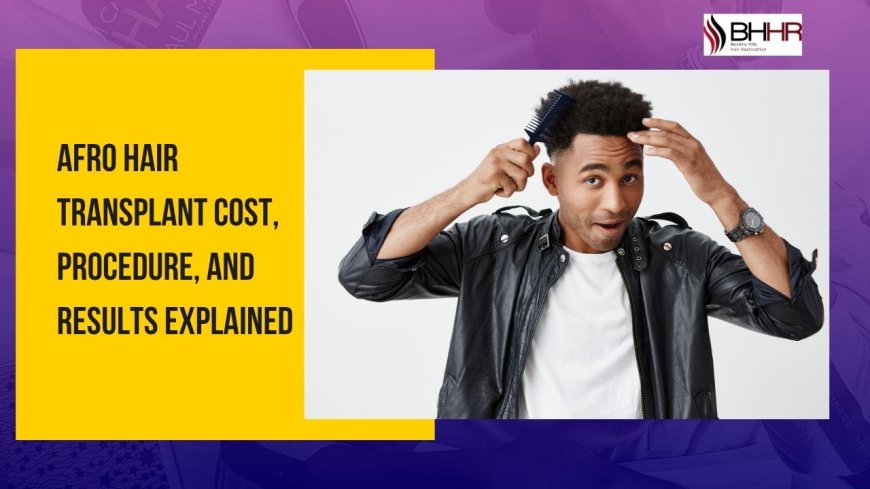
Hair loss can impact anyone, but for individuals with afro-textured hair, finding the right solution often requires more specialised care. The tight curls, root curvature, and follicle shape make this hair type uniquely beautifulbut also technically challenging when it comes to surgical restoration. While there are many treatment options available, not all are specifically designed with coiled hair patterns in mind. Thats where tailored surgical techniques come in. Whether you're experiencing thinning edges, patchy bald spots, or hereditary hair loss, understanding your options is key to making an informed decision. This article covers everything you need to know about the process, cost, recovery, and results of an Afro hair transplant.
What Is an Afro Hair Transplant?
An afro hair transplant is a surgical procedure designed to restore hair in areas affected by thinning or baldness, specifically tailored for individuals with tightly coiled or curly hair. The primary techniques used are Follicular Unit Extraction (FUE) and Follicular Unit Transplantation (FUT). Both methods involve relocating healthy hair follicles from a donor areatypically the back or sides of the scalpto the thinning or balding areas.
What makes afro hair unique is the shape of the hair follicle. Afro-textured hair grows in a spiral pattern, and the follicle itself is curved beneath the skin. This creates a challenge during extraction, as there is a higher risk of damaging the follicle if it's not handled correctly. Thats why it's so important for the procedure to be tailored specifically for this hair type.
How the Procedure Works for Afro Hair
The transplant process begins with a thorough consultation, during which a specialist evaluates your hair loss pattern, scalp condition, and hair texture. Once a plan is in place, the procedure typically involves:
-
Donor Area Preparation: Hair follicles are harvested from the back or sides of the scalp. This can be done through FUE (individual follicle extraction) or FUT (a strip of scalp is removed and then dissected).
-
Follicle Extraction and Handling: Due to the curl that exists both above and below the skin, extra care is taken to avoid transecting (cutting) the follicles during extraction.
-
Graft Placement: The extracted follicles are implanted into the recipient area, taking into account the natural curl pattern and growth angle of afro hair. Precision is key to achieving a natural-looking result.
The process can take several hours or even be spread over two sessions, depending on the number of grafts required.
Cost of Afro Hair Transplant
Lets talk numbers. In the United States, the cost of an Afroo hair transplant typically ranges from $5,000 to $15,000. This can vary significantly depending on a few factors:
-
Number of grafts needed: More extensive hair loss means more grafts, which increases the price.
-
Surgical technique used: FUE tends to cost more than FUT because its more time-intensive.
-
Geographic location: Clinics in major cities tend to charge more due to higher operating costs.
-
Surgeons experience: Specialists with a proven track record in working with afro-textured hair may charge higher fees, but this often reflects the quality of results.
Its also important to factor in additional costs such as post-operative care, follow-up visits, and medication.
Recovery and Results: What to Expect
Recovery from an Afro hair transplant typically follows a similar pattern to that of other types of hair transplants. Most people can return to work within a few days, though physical activity should be limited for at least a week.
Heres a general timeline of what to expect:
-
First 2 weeks: Scabbing, mild swelling, and sensitivity are common. The newly implanted hairs may shedthis is normal.
-
1 to 3 months: You may notice some shedding and slow regrowth. Patience is crucial during this phase.
-
4 to 6 months: Noticeable growth starts to appear.
-
6 to 12 months: Your hair thickens, and you begin to see the full results.
For afro-textured hair, the natural curl and density may take a little longer to become visible, but when the results come in, they can be incredibly natural and full-looking.
Final Thoughts
Afro hair transplants provide a reliable solution for individuals seeking to restore natural hair growth in a manner that respects the unique structure of afro-textured hair. With proper planning, skilled execution, and realistic expectations, the results can be both natural-looking and long-lasting. Its essential to understand the procedure, be aware of the associated costs, and select a provider with experience in handling curly hair types. While the journey requires patience, many individuals find it a worthwhile investment in confidence and self-image. Being informed is the first step toward making the right decision about whether an Afro hair transplant is right for you.